- All
- Product Name
- Product Keyword
- Product Model
- Product Summary
- Product Description
- Multi Field Search
Author: Site Editor Publish Time: 04-21-2026 Origin: Site


In the modern high-speed printing landscape, the debate between UV offset ink and offset ink is no longer just about gloss—it’s about a fundamental shift in chemistry and production efficiency. While traditional offset printing remains a cornerstone of commercial production, UV curing technology has triggered a photochemical revolution.
This guide explores the technical distinctions, operational challenges, and cost-performance ratios of both systems to help you determine the best fit for your pressroom.

The most significant difference lies in how the ink reaches its final solid state.
Offset Ink: These inks rely on a combination of absorption into the substrate and oxidative drying (evaporation). This process typically involves solvent-based inks that release volatile organic compounds (VOCs) as they dry, which can take anywhere from $2$ to $24$ hours to fully set.
UV Offset Ink: UV inks are formulated with $95-100\%$ solids and contain photoinitiators. When exposed to ultraviolet light, these photoinitiators trigger a photochemical reaction that instantly converts liquid monomers into solid polymers via rapid "zipper-like" polymerization within $0.1$ seconds.
Because UV inks cure through instant polymerization, they do not "dry" in the traditional sense; they harden into a dense 3D network that provides an adhesion layer up to $5$ times stronger than conventional alternatives.
Feature | UV Offset Ink | Offset Ink |
Drying/Curing Time | Instant ($0.1$ seconds) | Slow ($2$ to $24$ hours) |
Solids Content | $95-100\%$ | $30-60\%$ |
VOC Emissions | Zero to Negligible ($<1\%$) | High ($30-70\%$ VOC) |
Dot Reproduction | Sharper (no ink spread) | Moderate (absorption gain) |
Energy Consumption | $0.3$ $kW\cdot h/kg$ | $1.8$ $kW\cdot h/kg$ |
Material Compatibility | Almost any surface (non-porous) | Mostly porous (paper/cardboard) |
The rapid curing of UV technology directly impacts the bottom line of a print shop. In sheetfed offset environments, UV-cured sheets are stackable immediately, boosting throughput by $30-50\%$.
In conventional printing, sheets often require powder spraying to prevent "offsetting" (ink transferring to the back of the next sheet) during the long drying period. This adds labor and material costs and can interfere with post-press finishes like lamination. UV curing eliminates the need for powder entirely, creating a cleaner work environment and allowing for immediate cutting, folding, or lamination after printing.
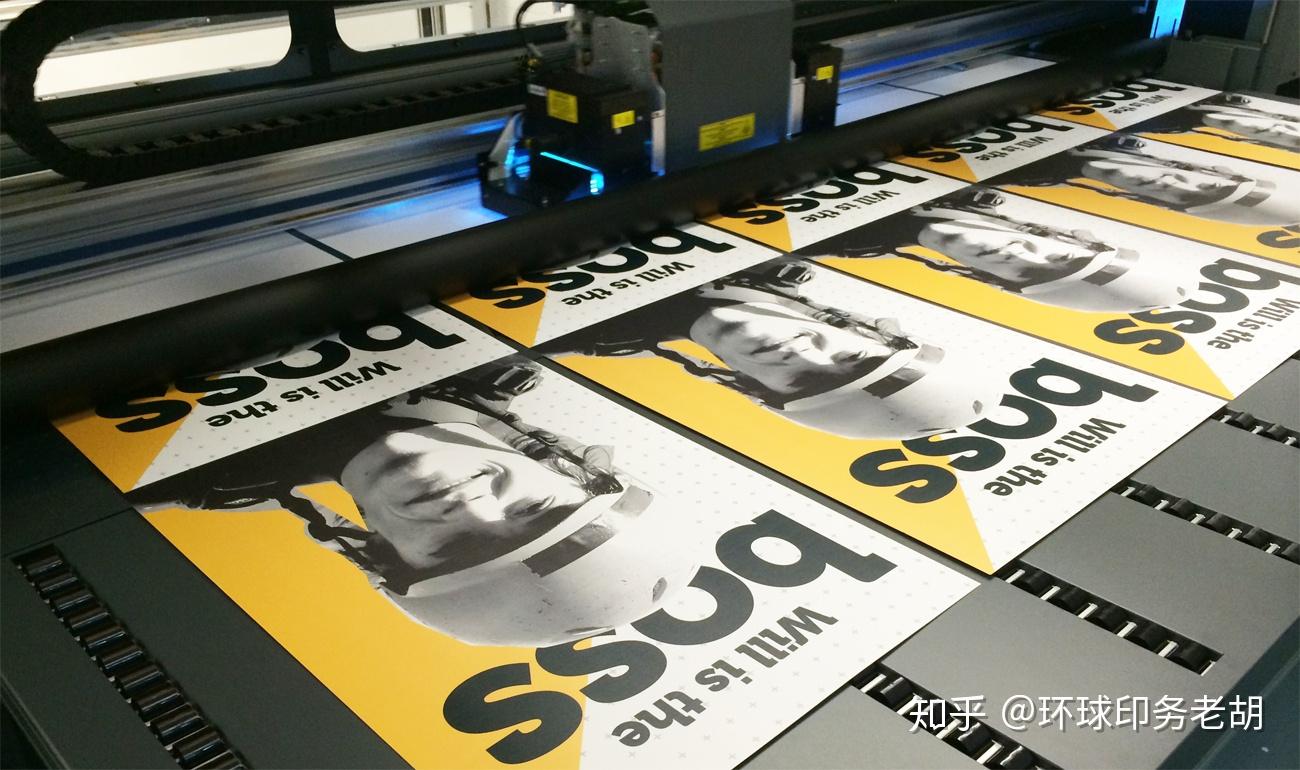
Because UV inks cure instantly on contact with the substrate, they do not have time to soak into the paper fibers or spread. This prevents "dot gain" and results in sharper images and more vibrant colors, even on uncoated stocks.
Offset inks are essentially limited to porous materials like paper and cardboard that can absorb the oil-based solvents.
UV ink, however, "sticks to almost anything". It is the preferred choice for printing on non-porous and heat-sensitive materials such as:
Plastics (PET, PE, PVC, BOPP)
Metallic foils and synthetic labels
Glass, acrylic, and wood.
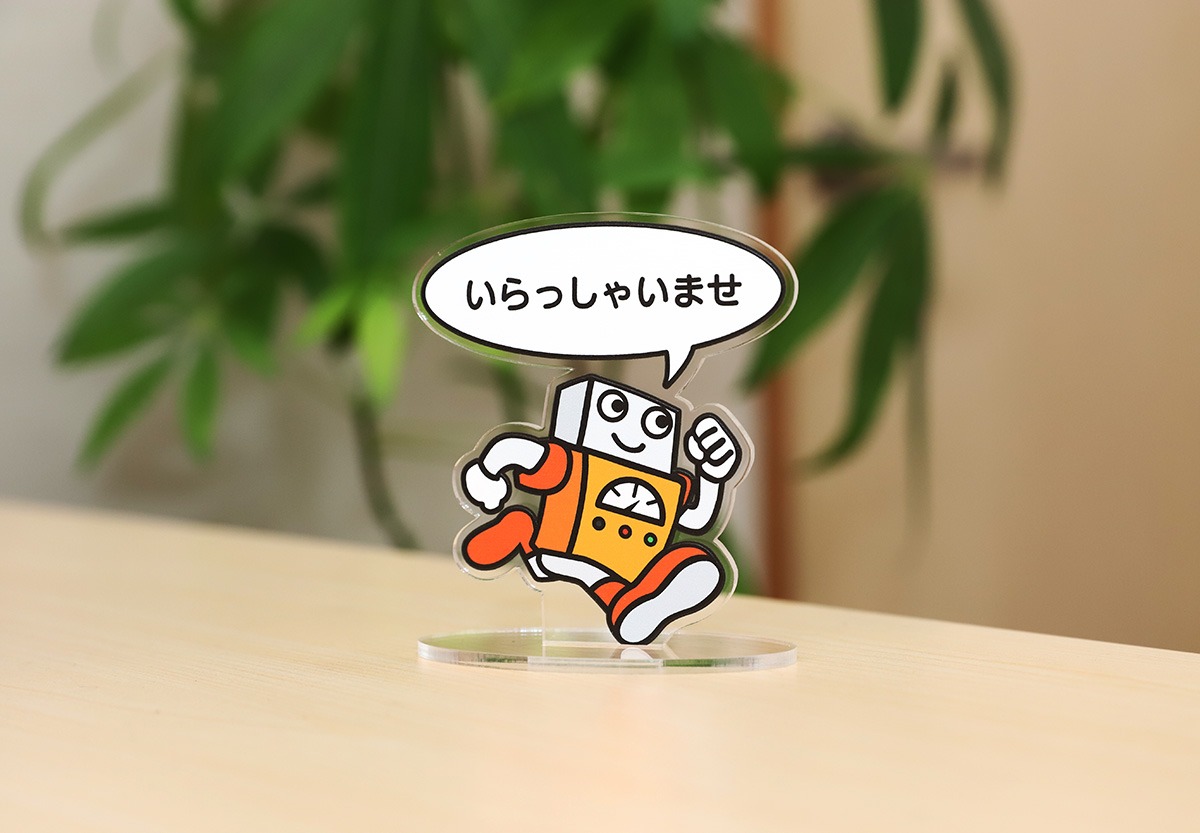
Traditional drying struggles with film adhesion and often requires costly corona treatment to ensure the ink doesn't peel. In contrast, UV inks provide superior adhesion and scratch resistance across diverse substrates.
One of the primary deterrents for moving to UV is the material cost. UV inks generally cost $20-30\%$ more—and in some specialty cases, $2-3$ times more—than conventional equivalents.
However, the Total Cost of Ownership (TCO) often favors UV in high-performance environments:
Reduced Waste: Immediate curing cuts spoilage from smudged sheets by $15-20\%$.
Energy Savings: LED-UV systems consume significantly less power than traditional IR drying tunnels or hot air systems.
Environmental Compliance: Traditional inks emit significantly more $CO_2$ ($2.1$ $kg$ $CO_2$ per $kg$ of ink) due to solvent combustion, whereas LED-UV systems generate only $0.8$ $kg$ $CO_2/kg$.
Professional discussions on forums like reddit emphasize that transitioning to UV offset isn't just about changing the ink buckets. It requires a dedicated "UV-ready" setup:
Rollers and Blankets: UV inks can be aggressive toward standard rubber. Specialized EPDM rollers and blankets are required to prevent swelling and degradation.
Wash-up Chemicals: Conventional solvents will not clean UV ink; specific UV-wash chemicals are mandatory.
Ink/Water Balance: UV offset typically has a tighter "operating window" for ink/water balance compared to traditional oil-based systems, requiring more skilled press operators.
You are running very high-volume jobs (books, newspapers) where cost-per-unit is the absolute priority.
You work almost exclusively with porous paper substrates.
You have a low-volume shop where the high upfront cost of UV lamps/retrofitting isn't justifiable.
Choose UV Offset Ink if:
You need fast turnaround with minimal setup and immediate post-press processing.
You print on non-porous materials like plastics, foils, or high-end packaging.
You want to offer premium finishes (spot gloss, matte coatings, or tactile effects) that stand out on store shelves.
You are aiming for environmental leadership and need to comply with strict VOC regulations.