



Manufacturer of inks and materials for Sheetfed Offset
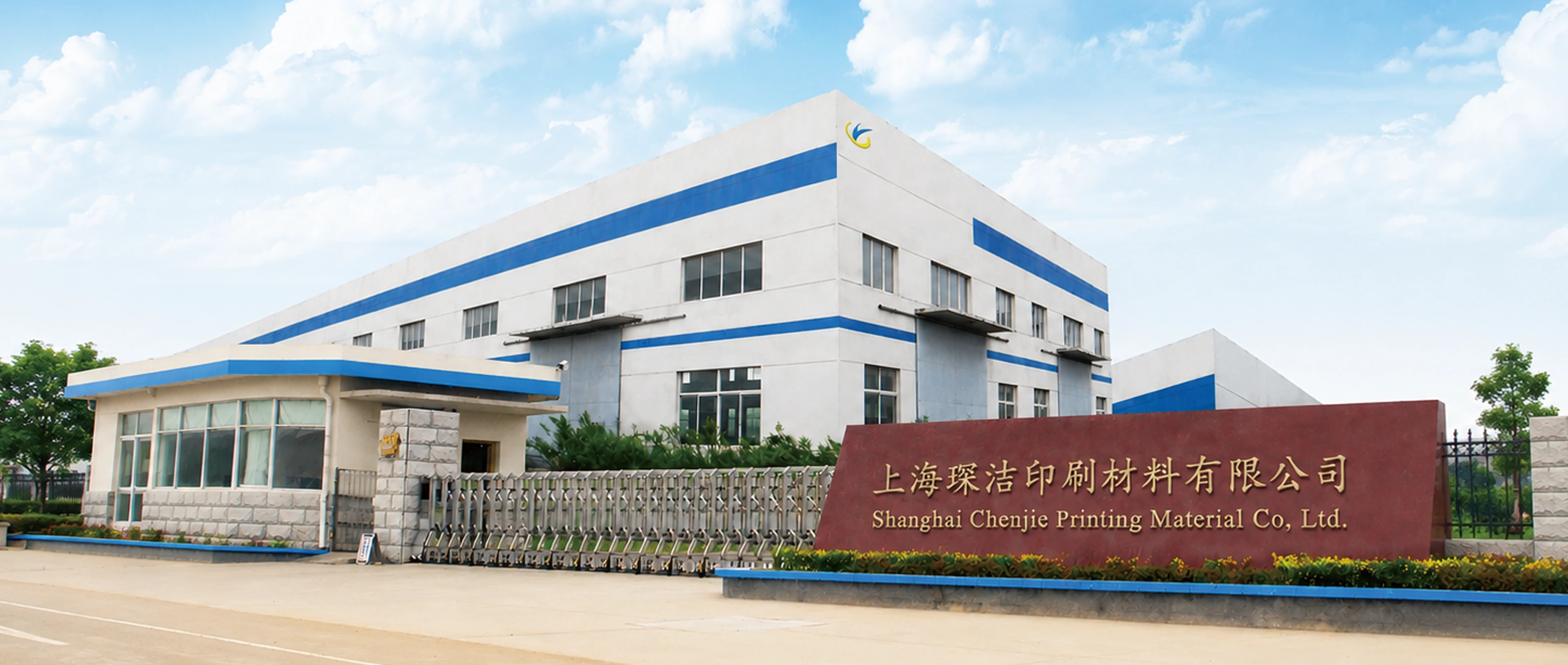
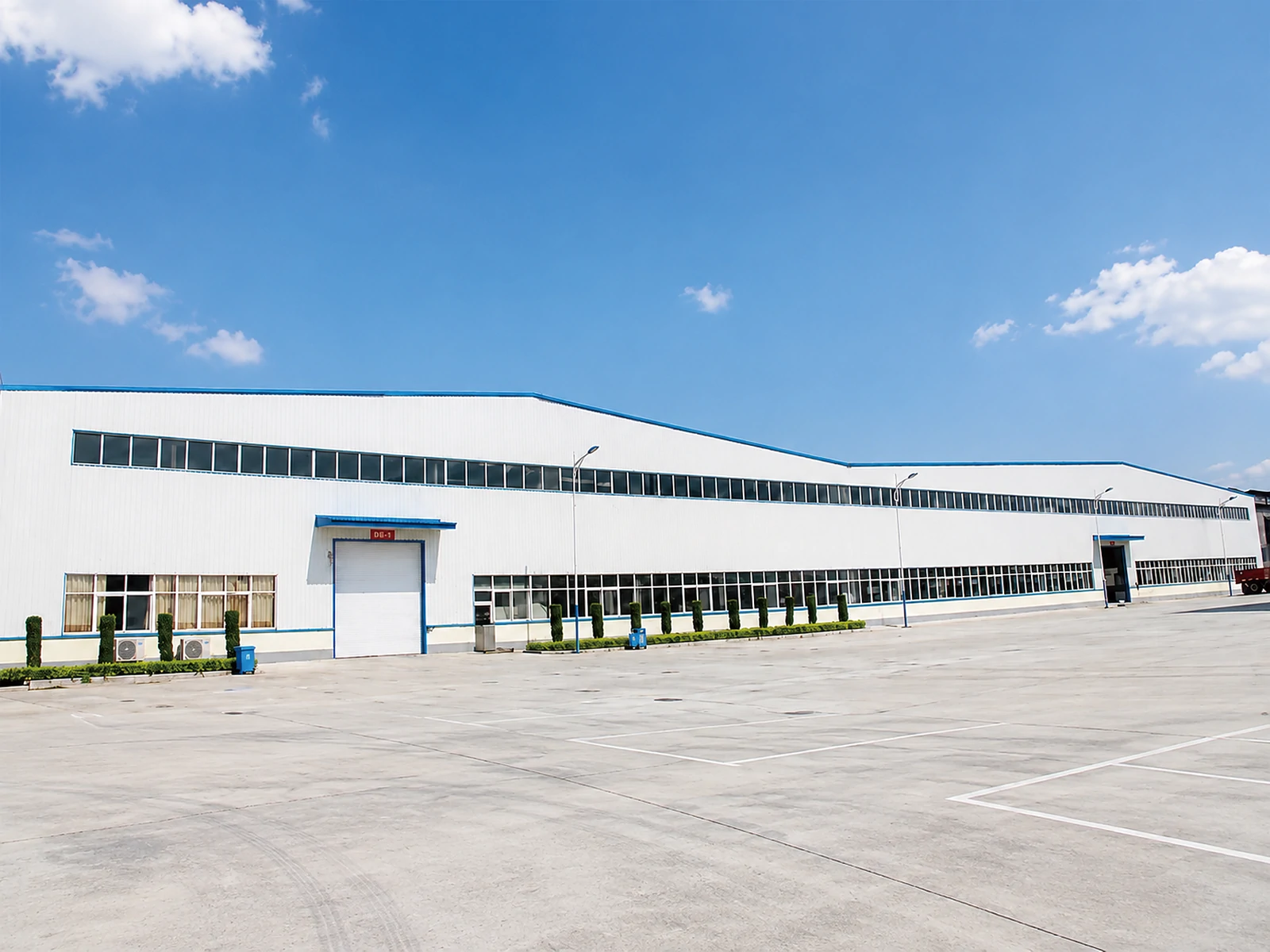
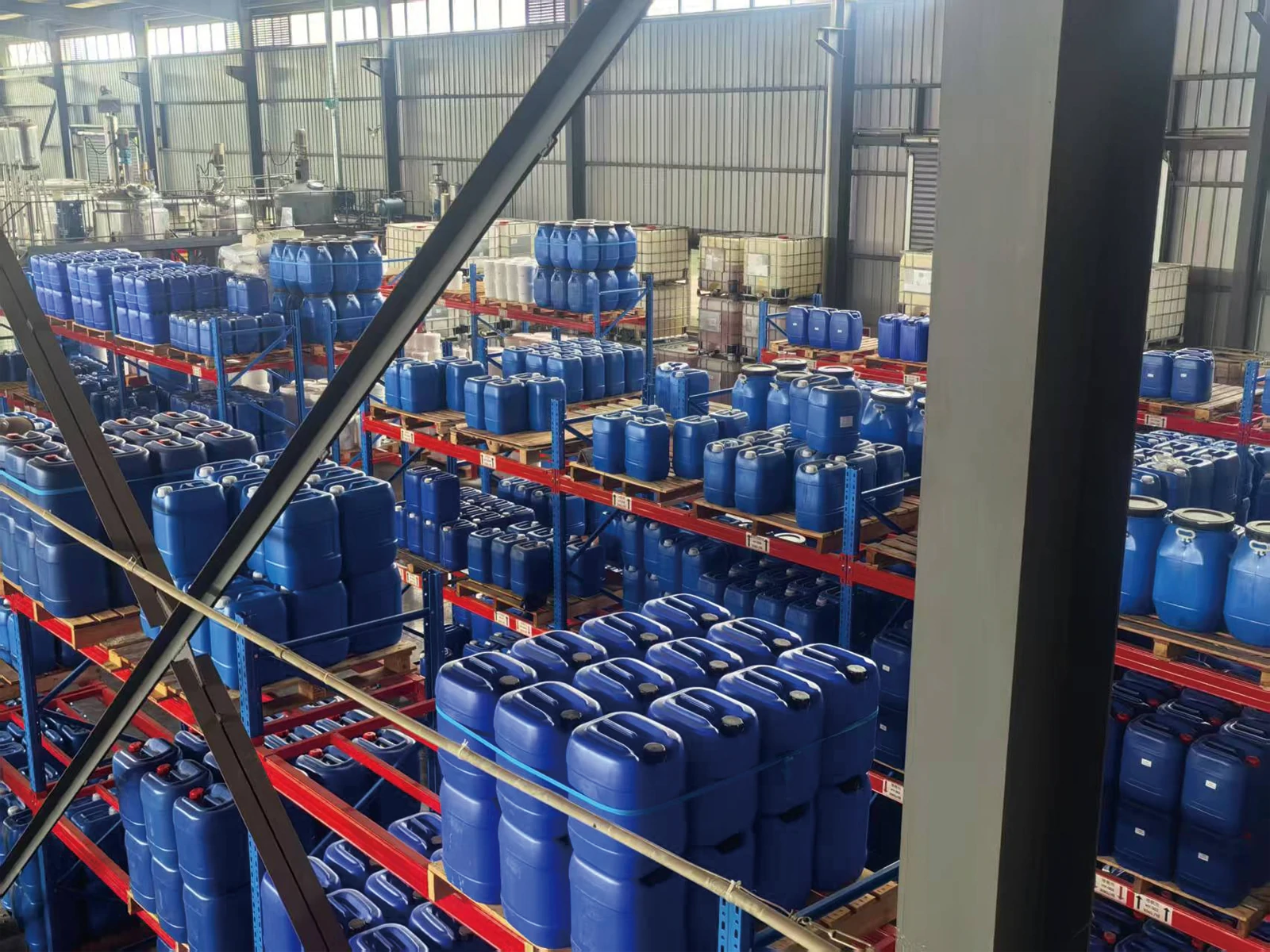
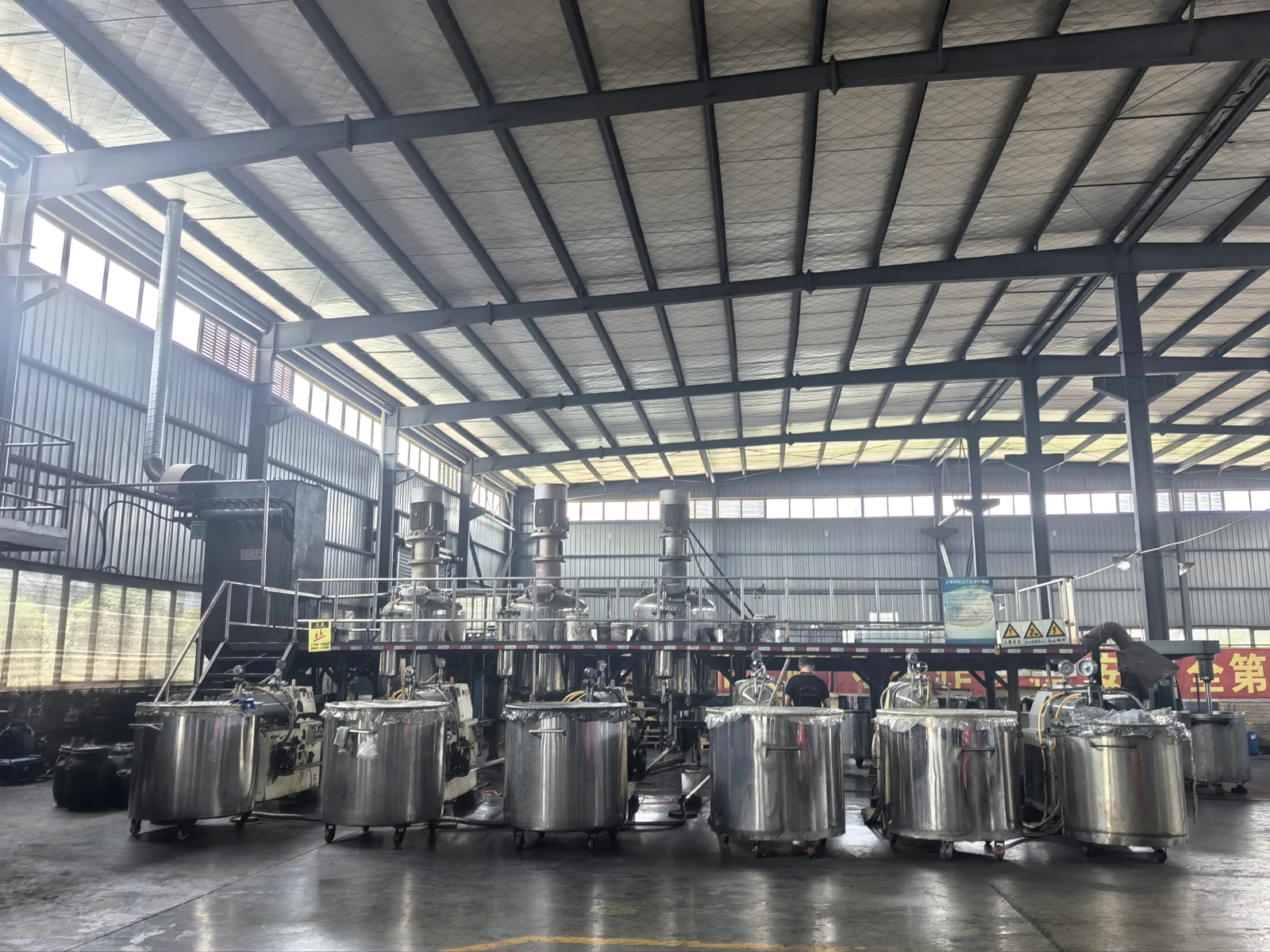
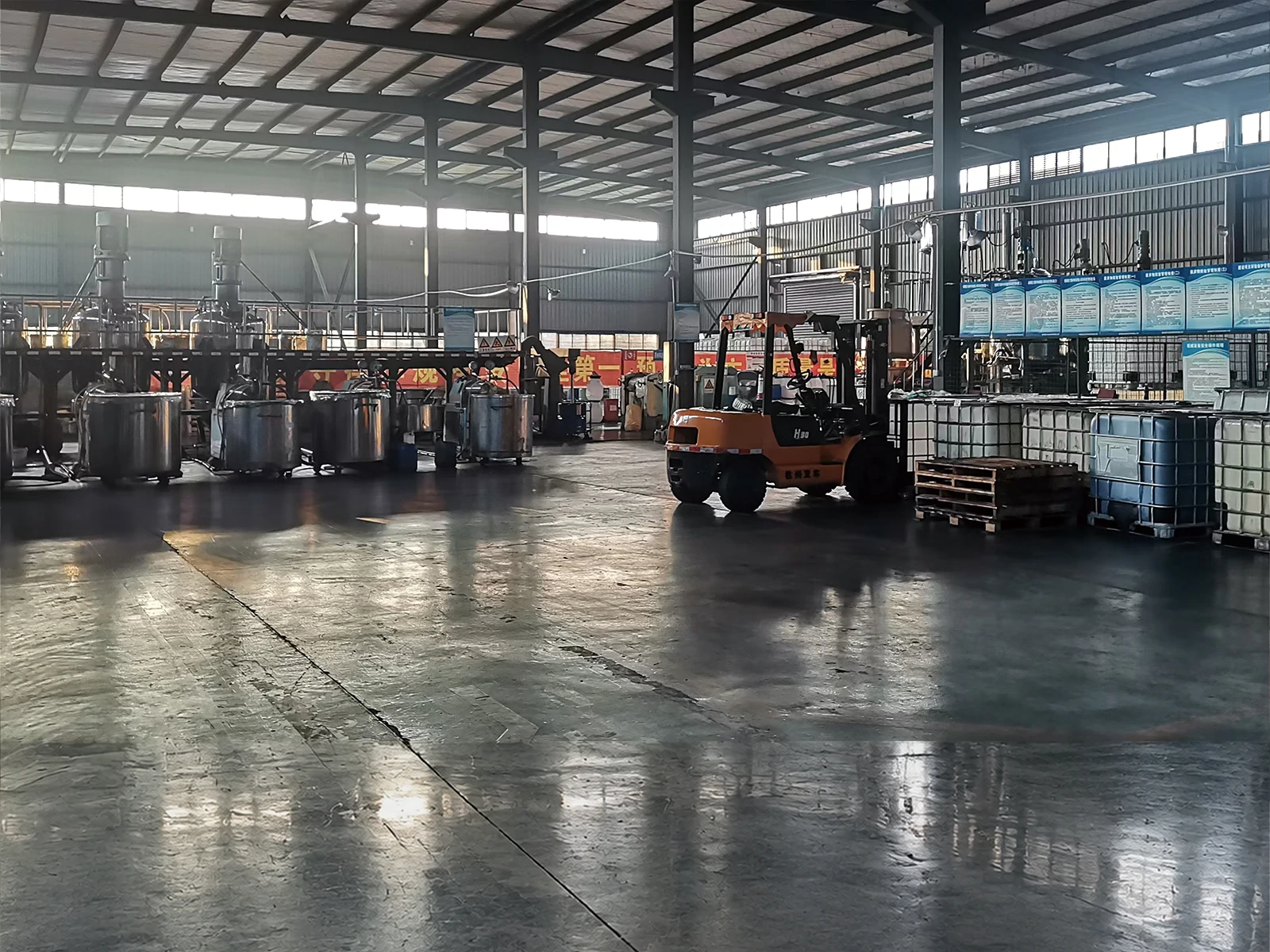
PrintBar® is a registered trademark of Shanghai Chenjie Printing Materials Co., Ltd., made under our own roof, shipped to 117 countries. If your printing run encounters issues, We're ready to take your call.
PRINTING MARKET
Contact Us
-
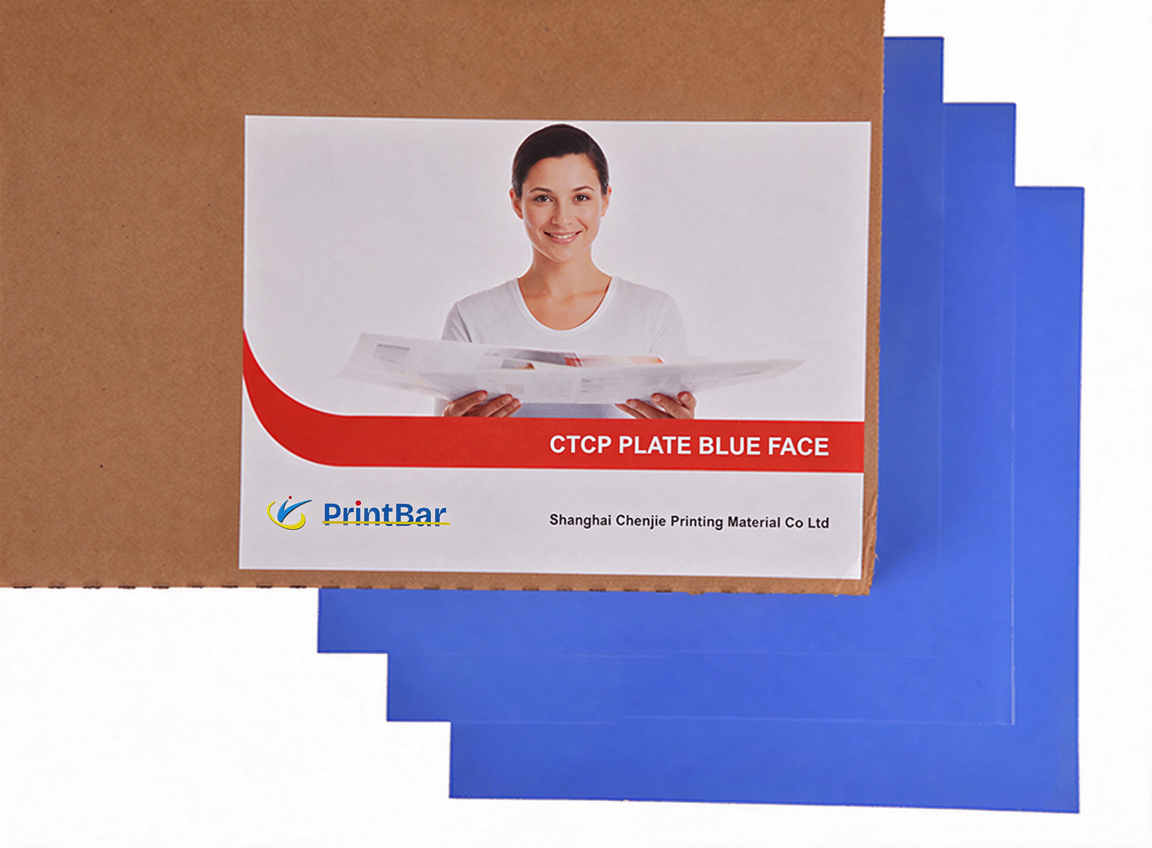 Two coatings instead of one, and the second buys the tighter dot. It images at 830nm on 100 to 110 mJ/cm² and holds 1 to 99% at 200 lpi with cleaner edges for fine commercial work. Development latitude is wider too, so the bath has room before it drifts.
-
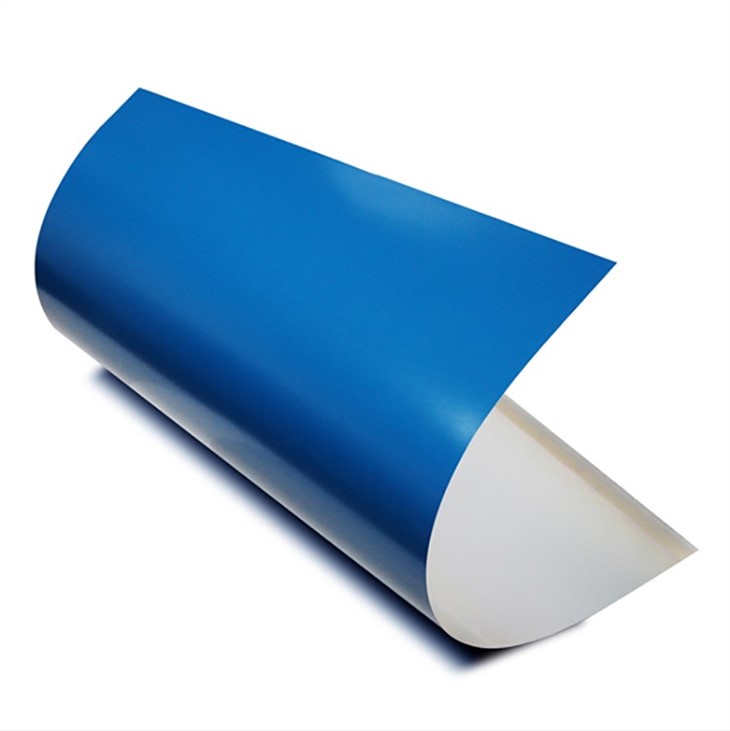
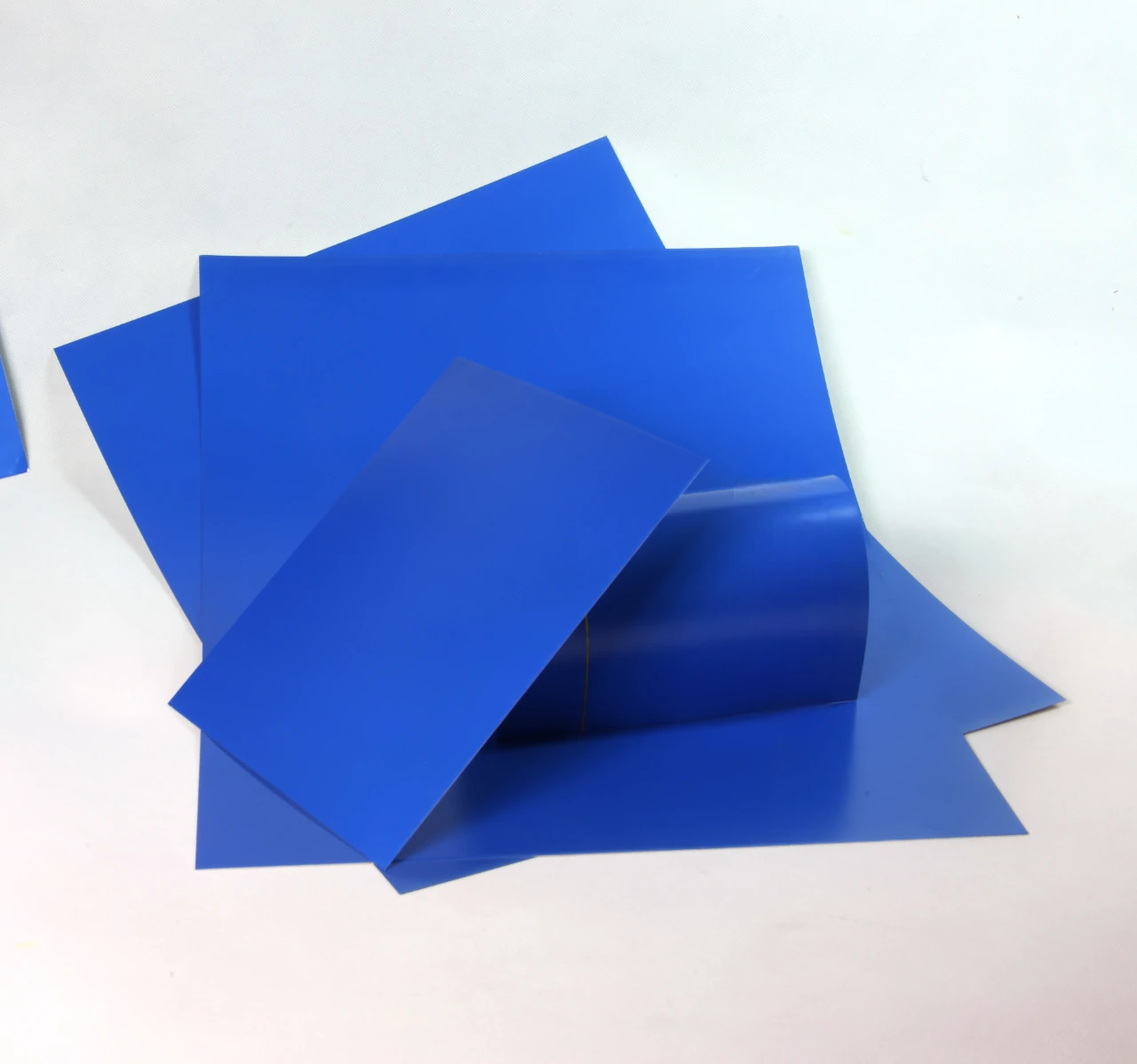 Our Printbar processless thermal CTP plate adopts high-quality aluminum base. No chemical developer or rinsing process is needed after exposure. Eco-friendly, simple operation, stable dot reproduction, excellent run length. Suitable for commercial printing, packaging and label offset printing.
-
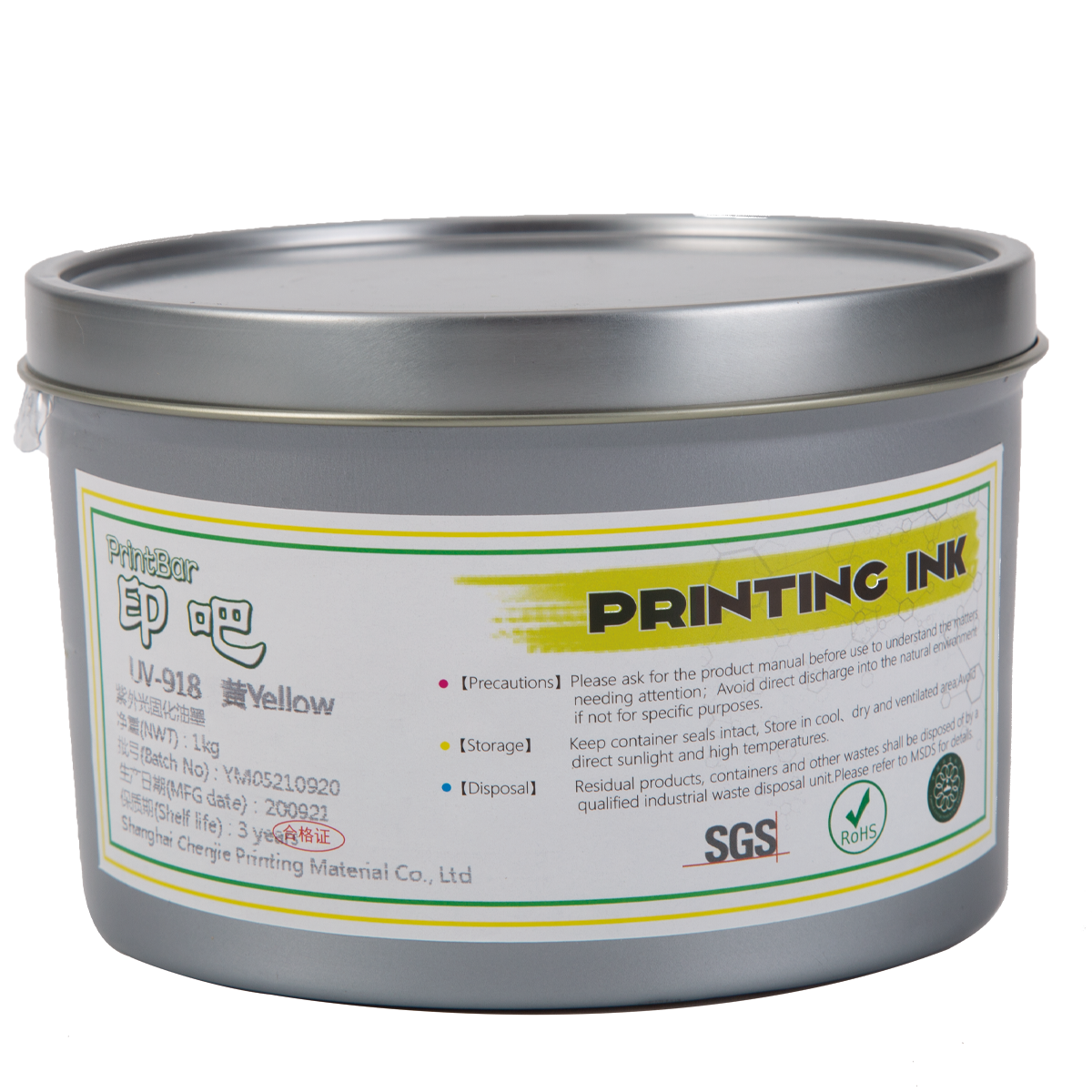
 UV ink that forgives your pressman's hands. Imported monomers, low skin irritation. Cures over 50 m/min on 2000 W, gloss 70-75, tinting strength 100%±5%. PVC/PC/PE/PP/PET, synthetic paper, labels. 1 kg tin, 1 year shelf.
-
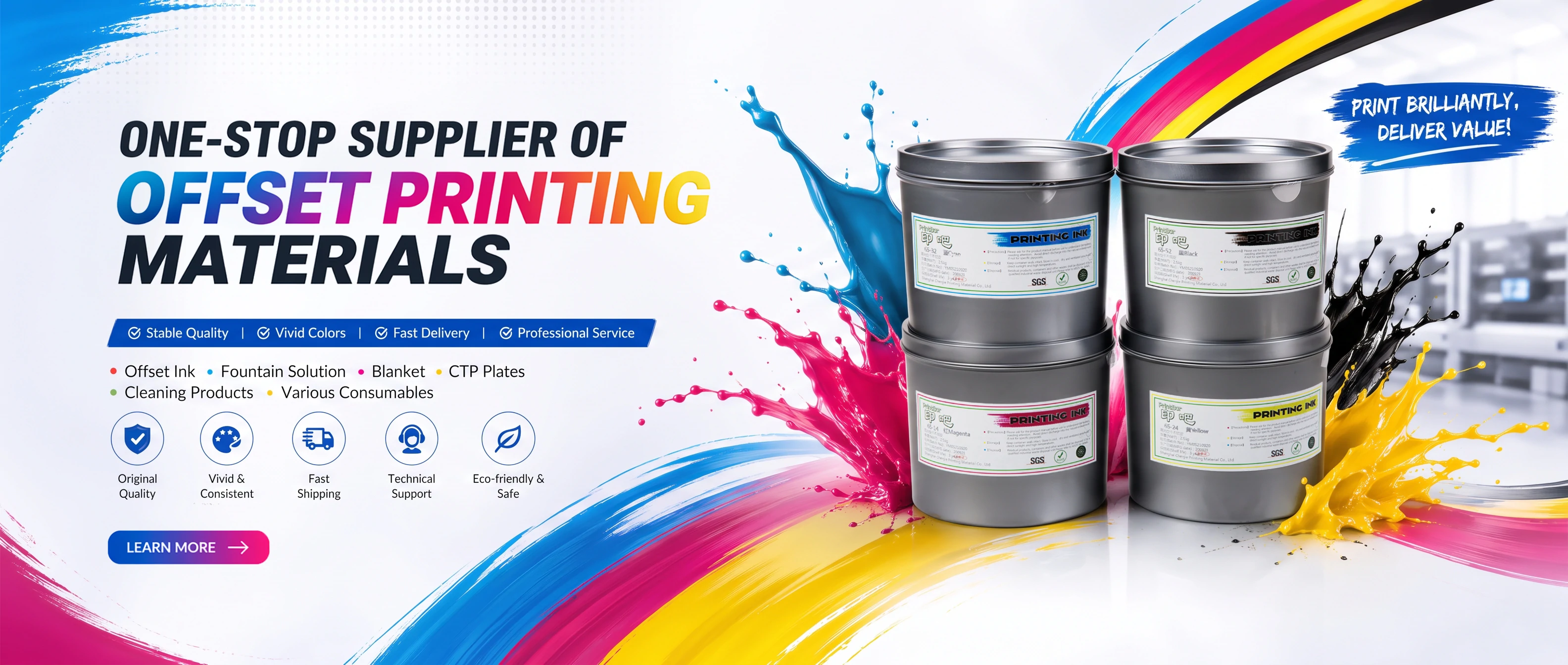
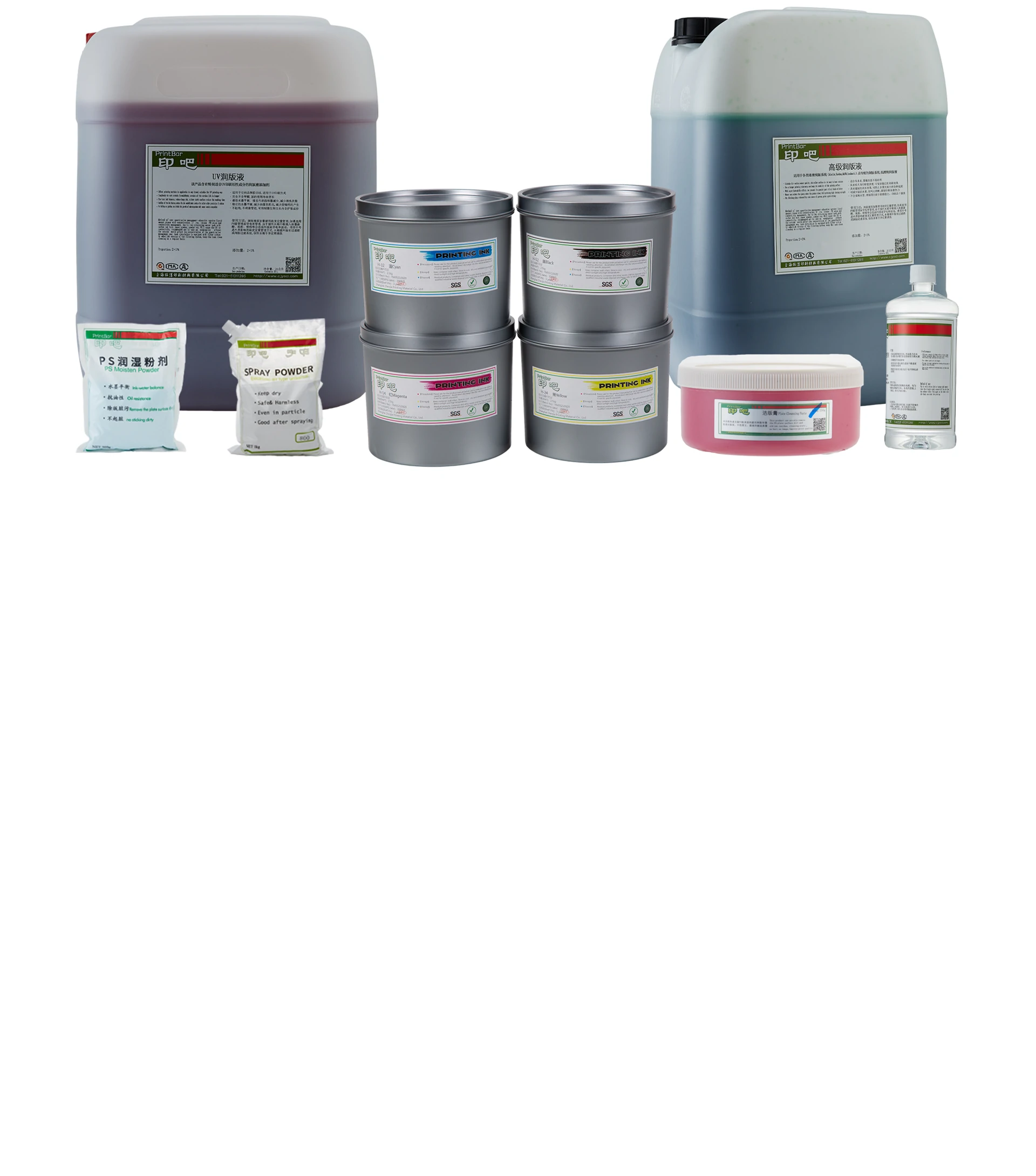
Fourteen to sixteen thousand sheets an hour. The press is moving and the ink has to keep up. Four-color series. Soybean oil, low aromatic. Gloss holds at speed, dots stay sharp. 1kg tins. Three years Shelf.
-
 Soybean oil green ink. 2.5 kilo tins. High gloss, clean dots, rub resistance that holds. Dries quick on paper but stays open on press. Good color balance across a full CMYK set. Three years Shelf.
-
Gross quick-setting. Faster turnaround than standard sheet-fed offset ink. Synthetic resin and vegetable oil. Color comes out bright. Gloss holds. Setting happens quick when the job has to move. 2.5 kilo tins or 15 kilo barrels. Three years Shelf.
-
 It is not a UV specialist and doesn't pretend to be. This CTP plate cleaner handles conventional ink on both CTP and PS plates with fine abrasives that pull oxides, scratches, and old ink residue. Restores the hydrophilic film on non-image areas. 1 kg, 15 per carton, cap tight.
-
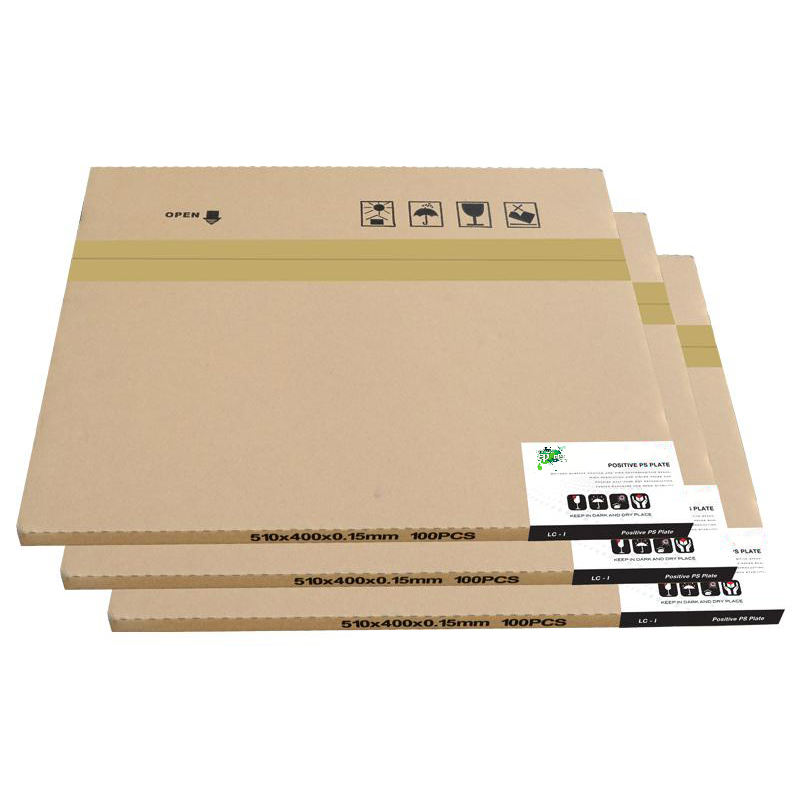
 Film still has a job in plenty of shops, and this plate does it. It takes 30 seconds under a 3kW iodine-gallium lamp, 20 to 40 more in a 1:7 bath, resolves 2 to 98% and runs 50,000 to 200,000 impressions unbaked. It comes 0.15 to 0.40mm thick and wants yellow safelight.
-
 UV/CTCP offset plate. 400 to 410 nanometer UV source instead of thermal. 40 to 50 millijoules per square. Resolution to 250 lpi. Run length to 200,000 impressions unbaked, 100,000 on UV ink. UV coating on high quality aluminum, electrolytic oxidation. Yellow safelight. Developing in 20 to 30 seconds. Positive thermal Plate.
-
 You can load this one with the lights on. At 830nm it takes 100 to 110 mJ/cm², resolves 1 to 99% at 200 lpi, and runs 200,000 to 400,000 impressions in ordinary ink, 100,000 to 200,000 in UV. Thermal platesetters already in the market image it without a settings change.
-
 Nine Meiji offset blanket models. SM-640 to UV-18. Blue, cyan, grass green. Three-ply, four-ply. All at 1.95mm. Made in Japan. 76 to 81 Shore hardness. Sheet-fed workhorses. Paper marks, handled.
-
 Peel it. Stick it. Print it. Self-adhesive backing, no blanket bar, no tools, no residue when the job is done. 0.95mm two-ply closed-cell. Runs standard ink, runs UV ink. 44KN/m tensile. Dot gain barely moves.
-
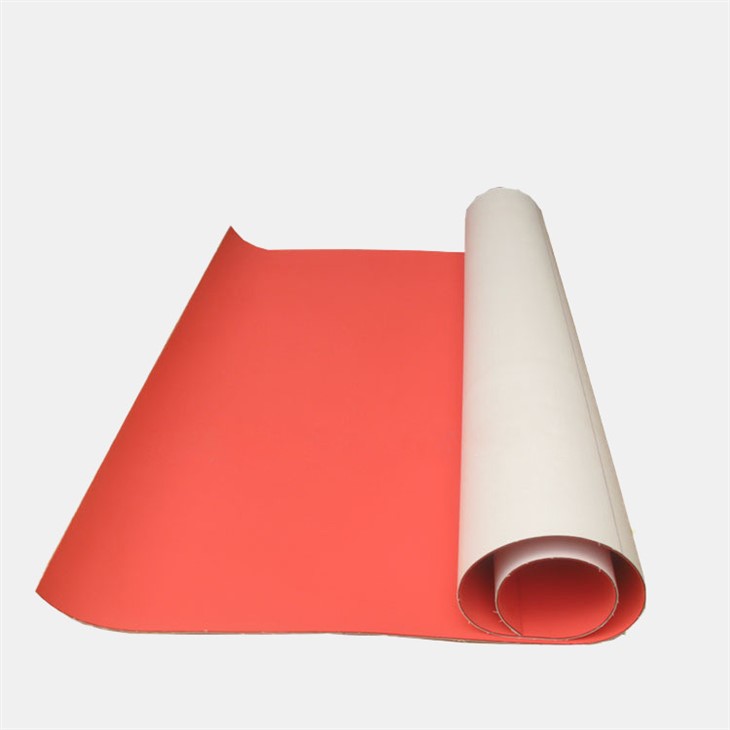 Microsphere air cushion. The pressure stays even across the cylinder. Blanket bounces back faster after each impression. Pink, fine-polished. 1.70mm or 1.97mm. 80 IRHD. Tensile above 4000N. Any width from 520 to 1480mm.
-
 A press is never perfectly flat. The offset blanket either hides the gaps or prints them. This one has a resilience layer built to absorb what the cylinder cannot hold. 60 IRHD surface for clean release, two to five plies for any run length, widths from 520 to 1480mm. Dot comes through sharp. 25-30 meter roll.
-
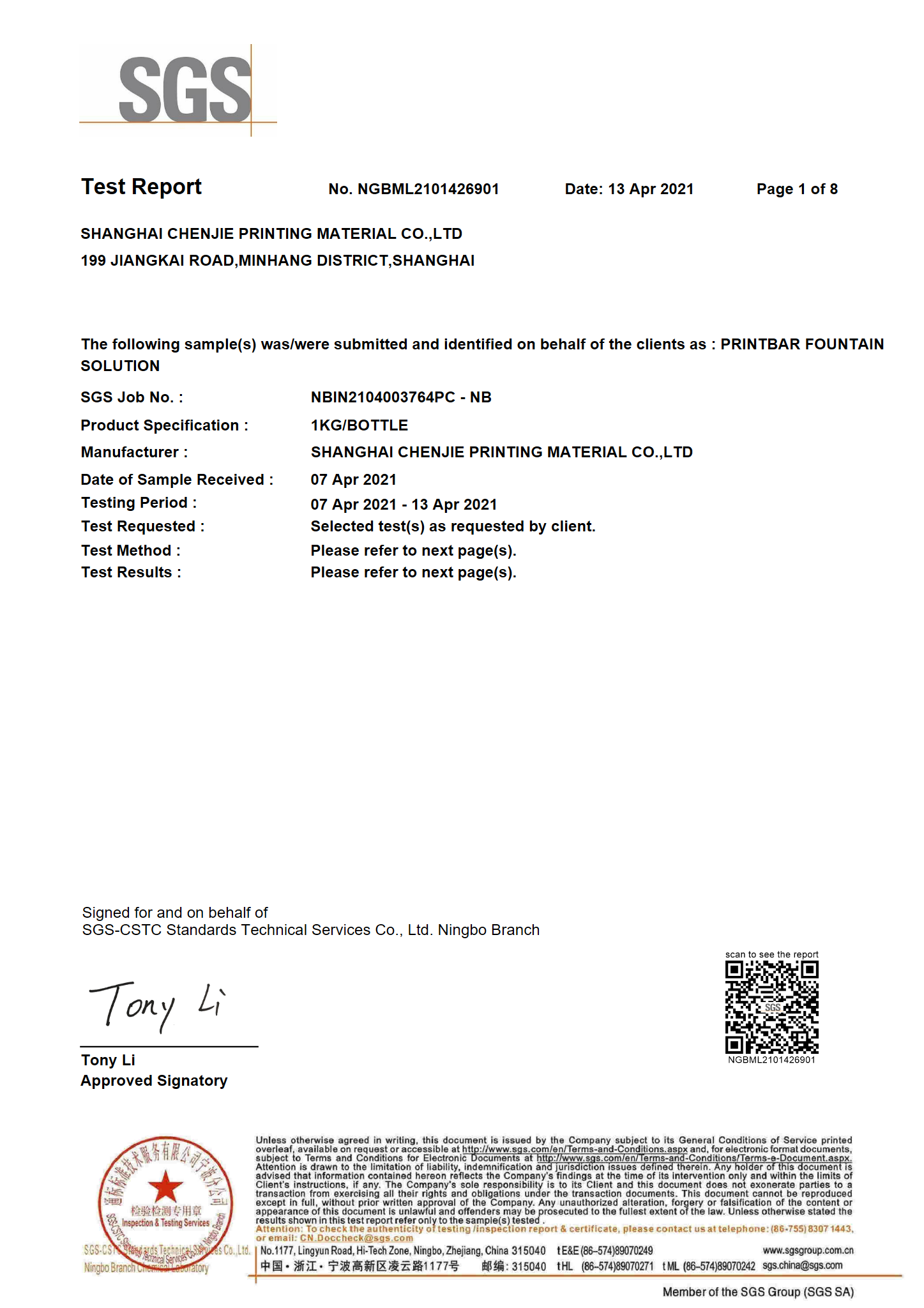
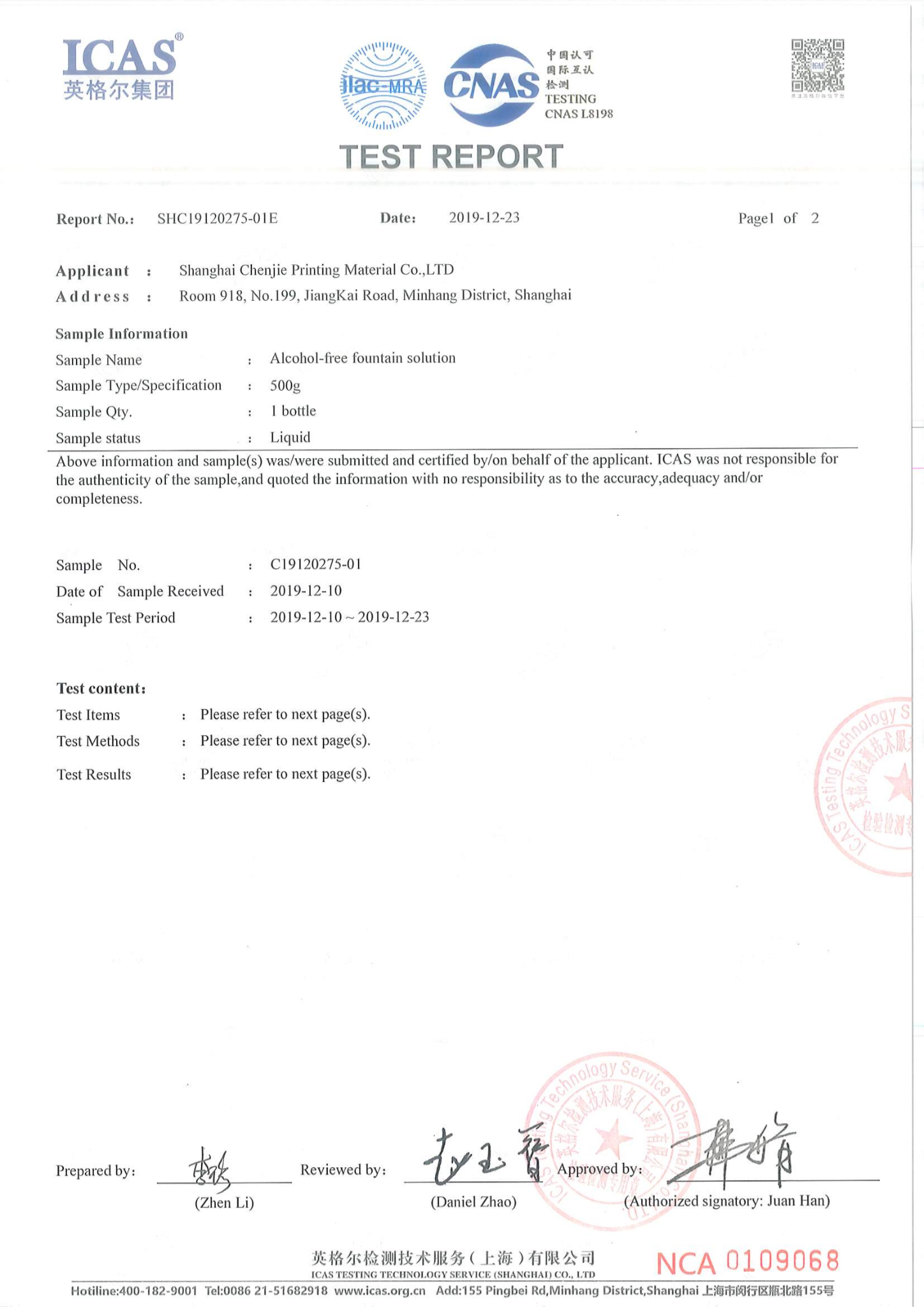
 Applicable to all imported and domestic flat offset presses, any PS plate and CTP plates. New and old, truly free alcohol (zero alcohol) printing.
-
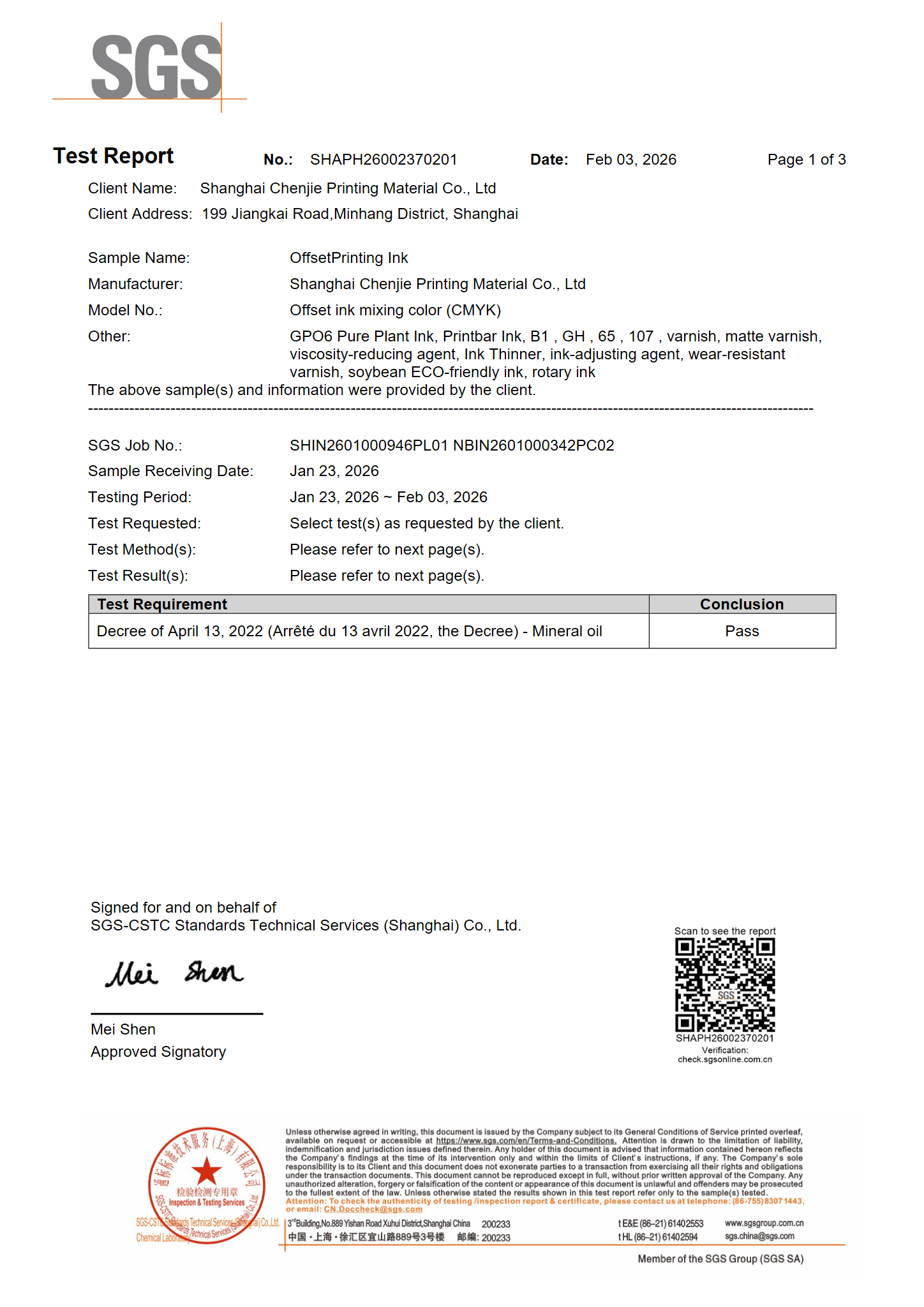
 Suitable for any brand model that contains a fountain solution additive that is particularly suitable for UV printing active ingredients.


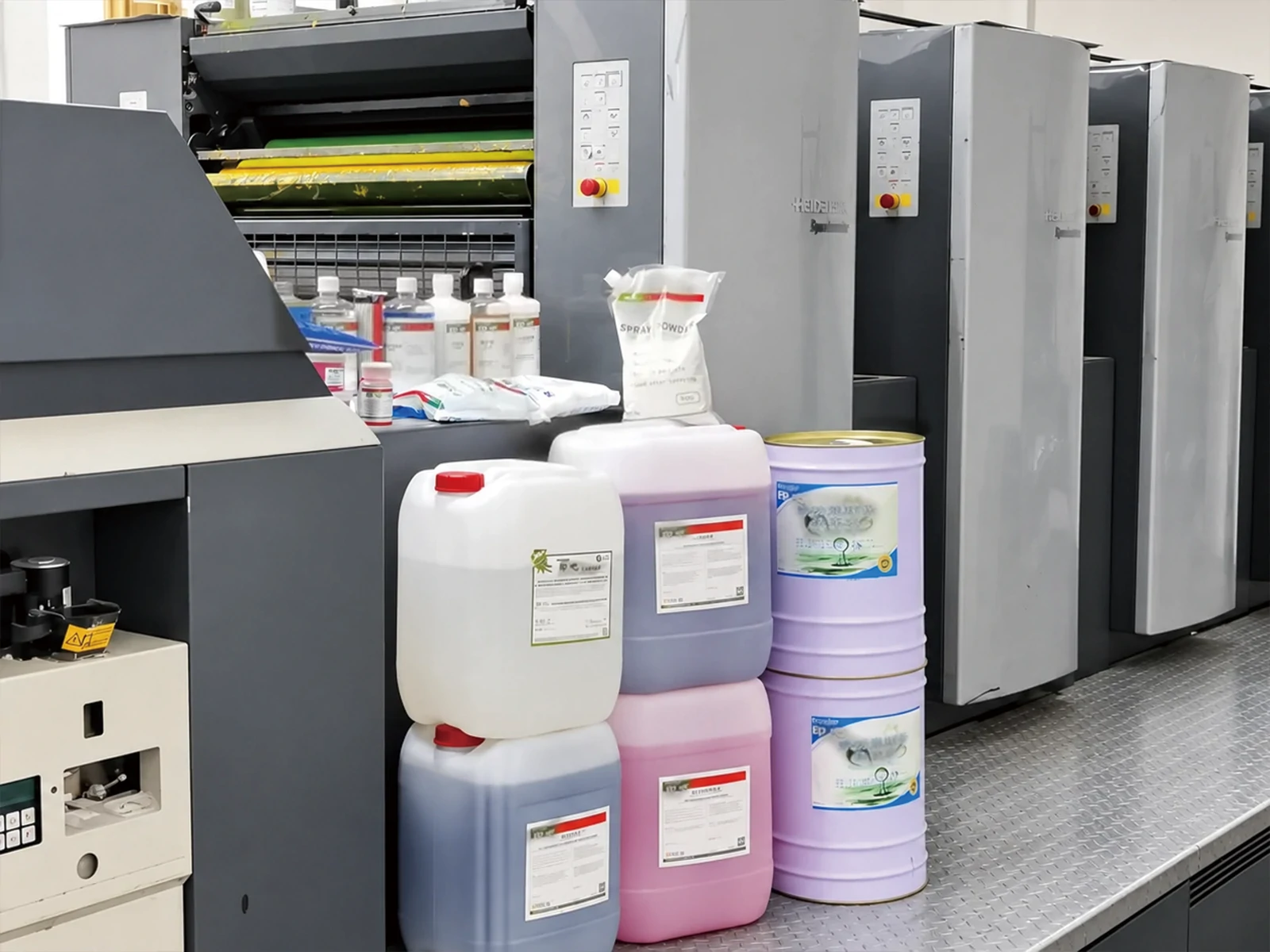



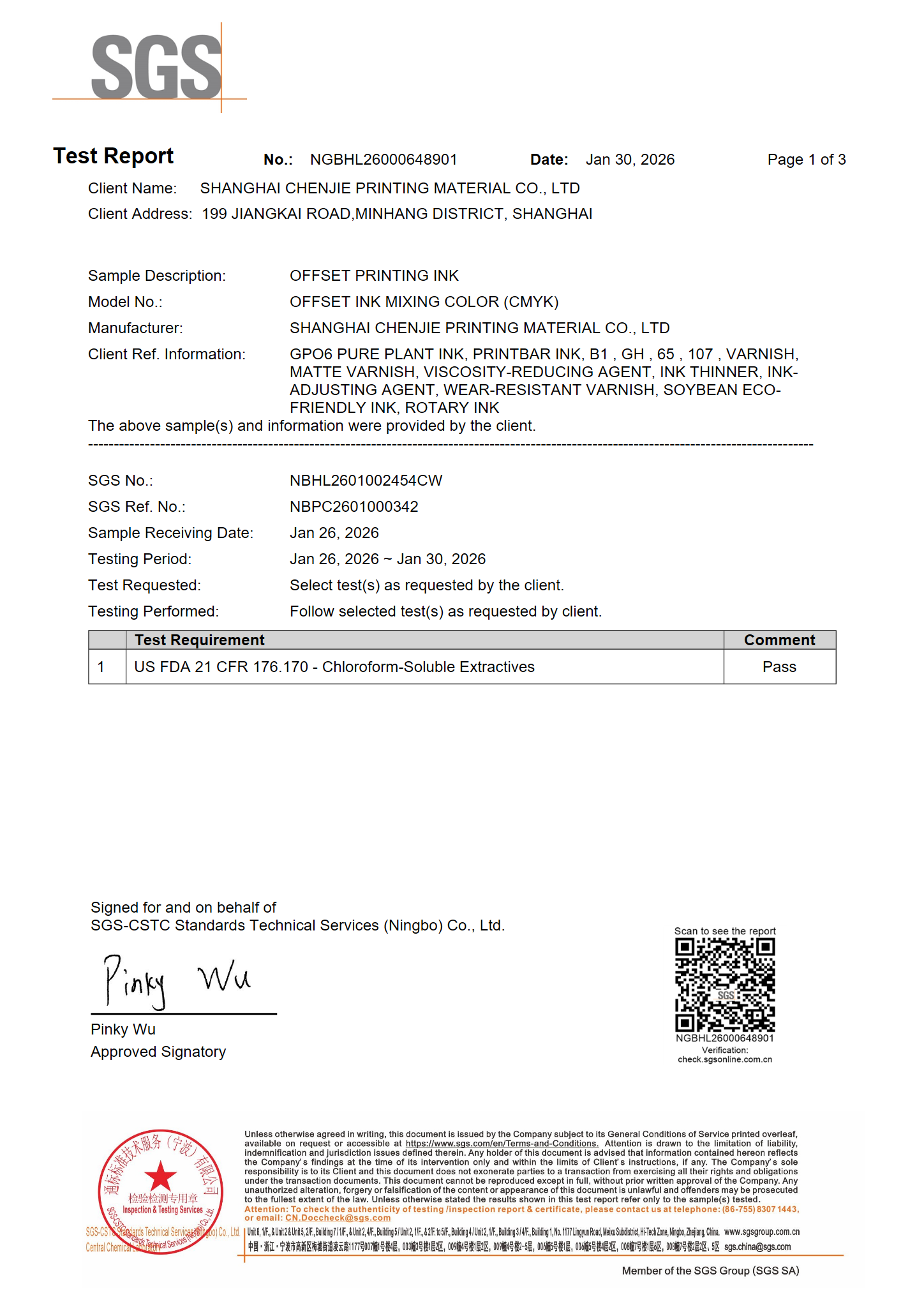
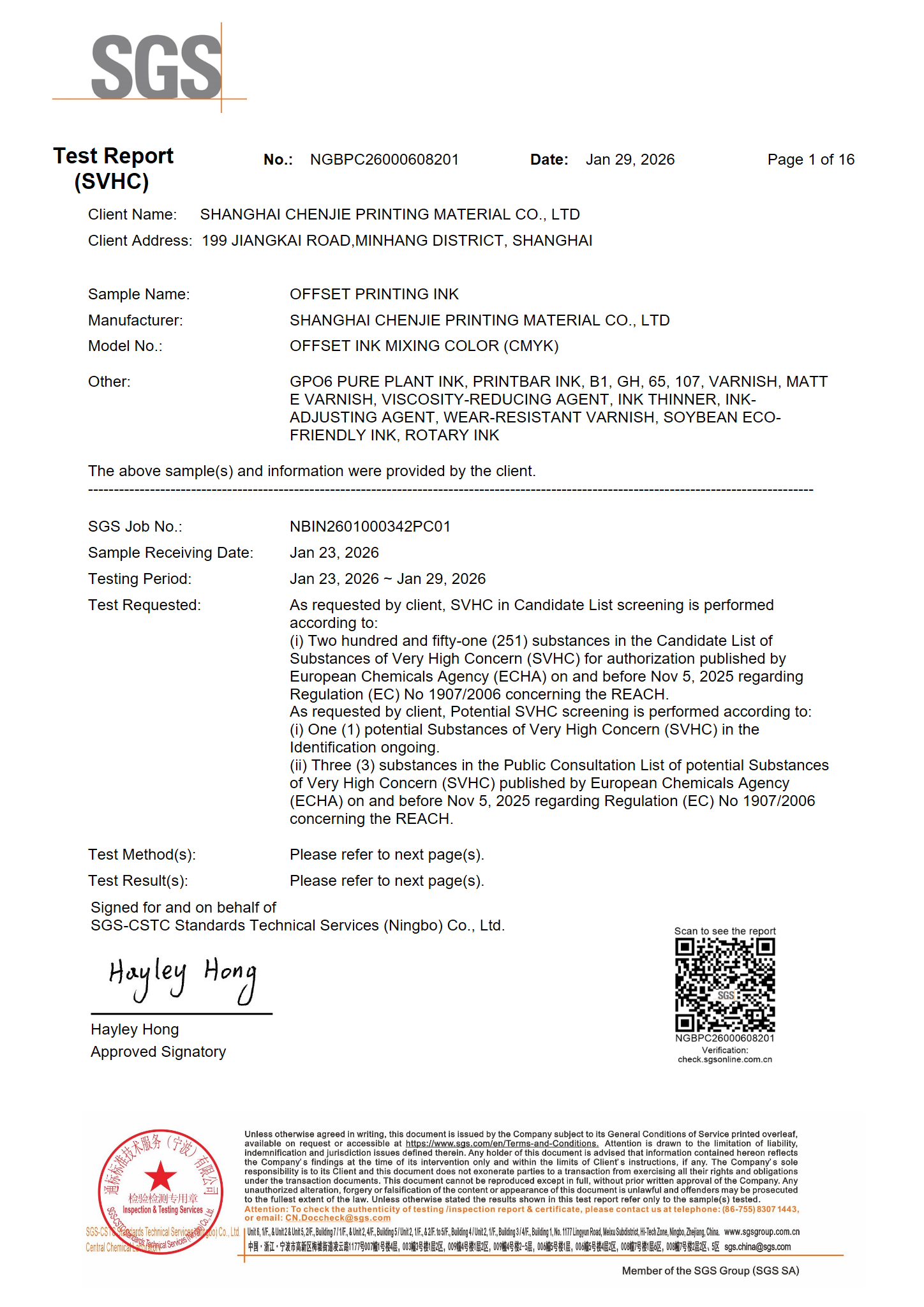








-
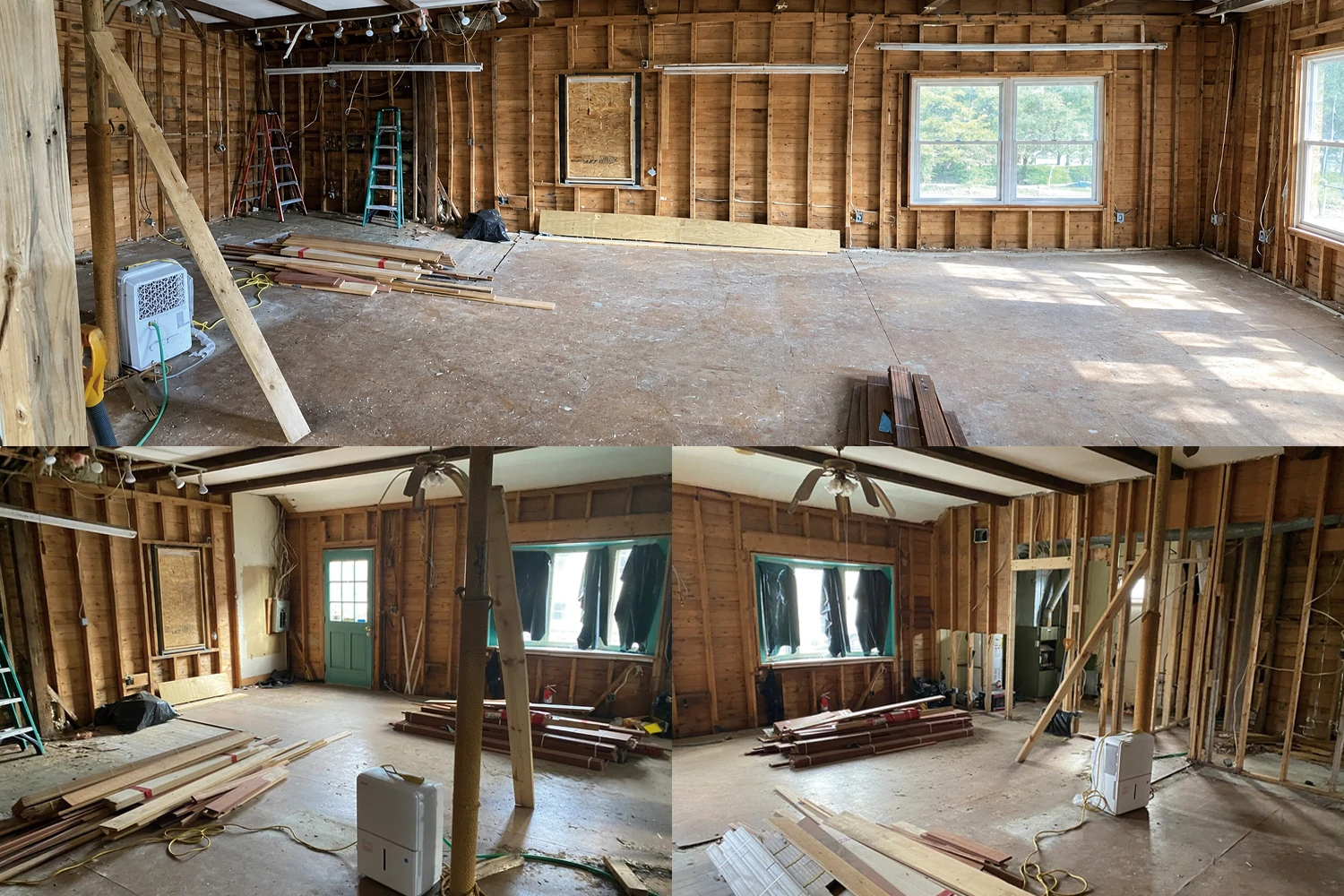 An in-house print department can pay for itself inside a couple of years, but only when the building, the power and the consumables are chosen with the same discipline as the press.The arithmetic that sends most businesses looking at their own press is sound, and it is rarely where the money goes miPPRINTING KNOW-HOW
-
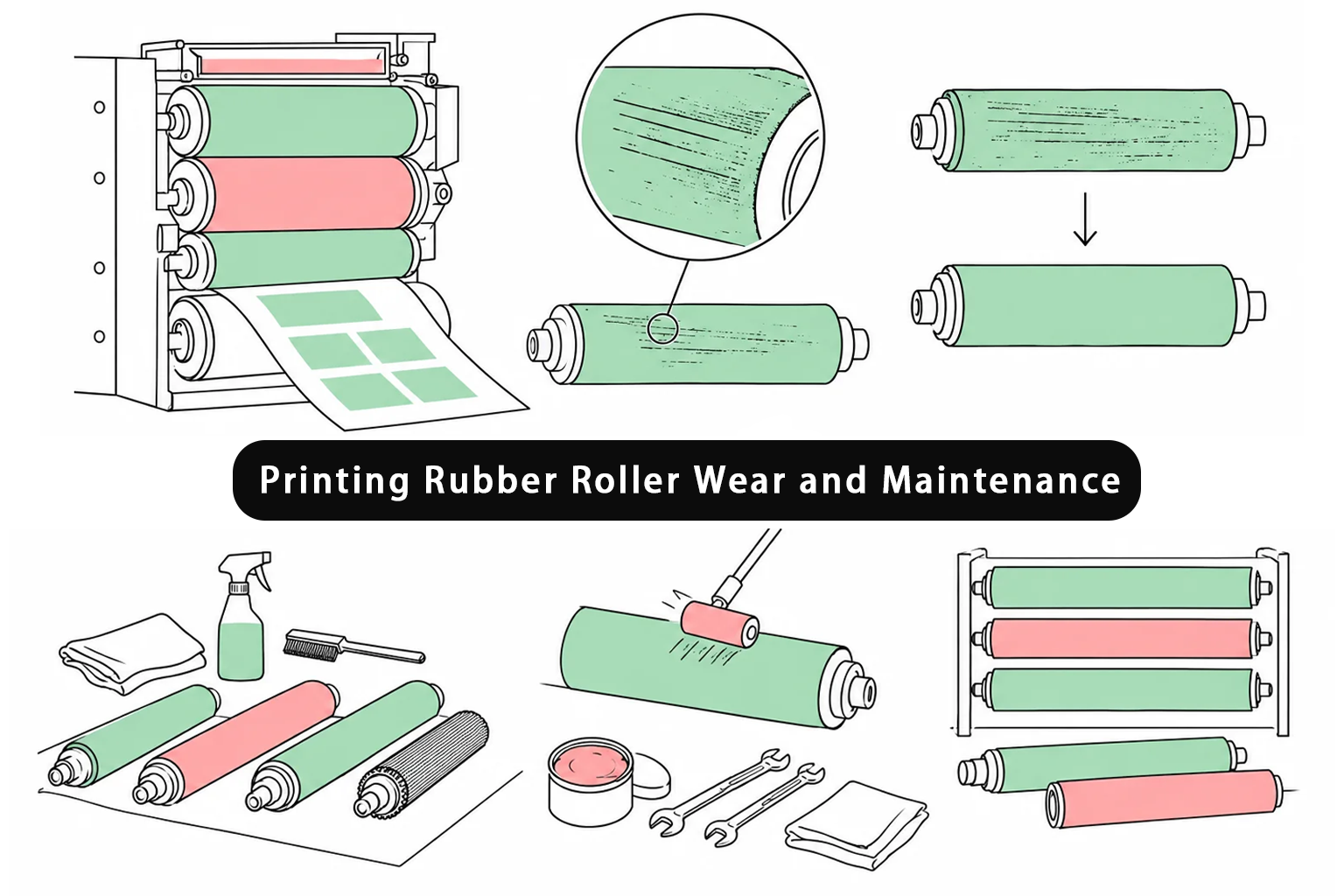
Fifteen everyday causes and ten habits decide how long a set of offset press rollers lasts, and most of them are cheaper to fix than to ignore.
PPRINTING KNOW-HOW -
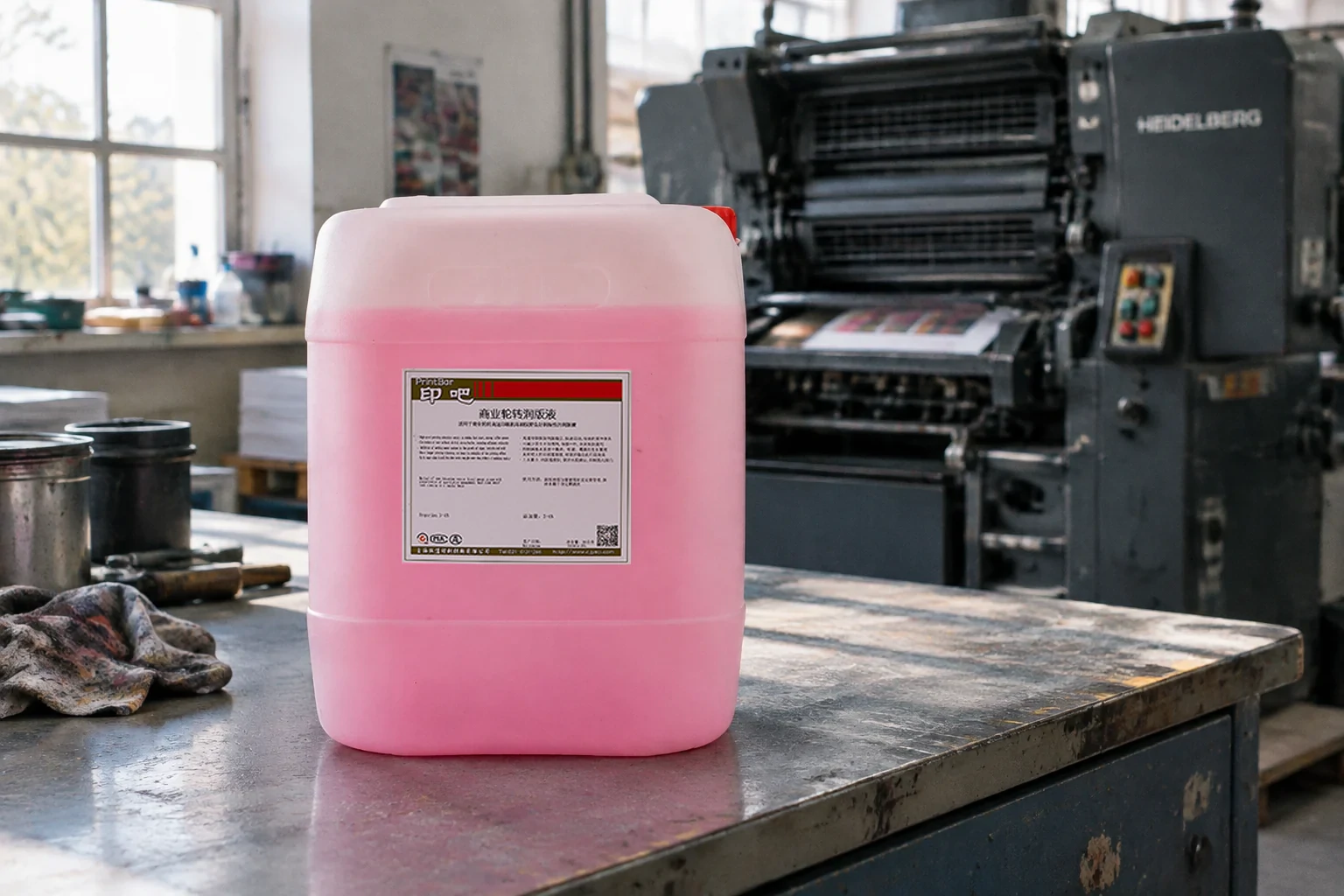 Six measured parameters hold the dampening system together, and a pen meter, a sample cup and ten minutes on the floor will tell you where each one stands.PPRINTING KNOW-HOW
-
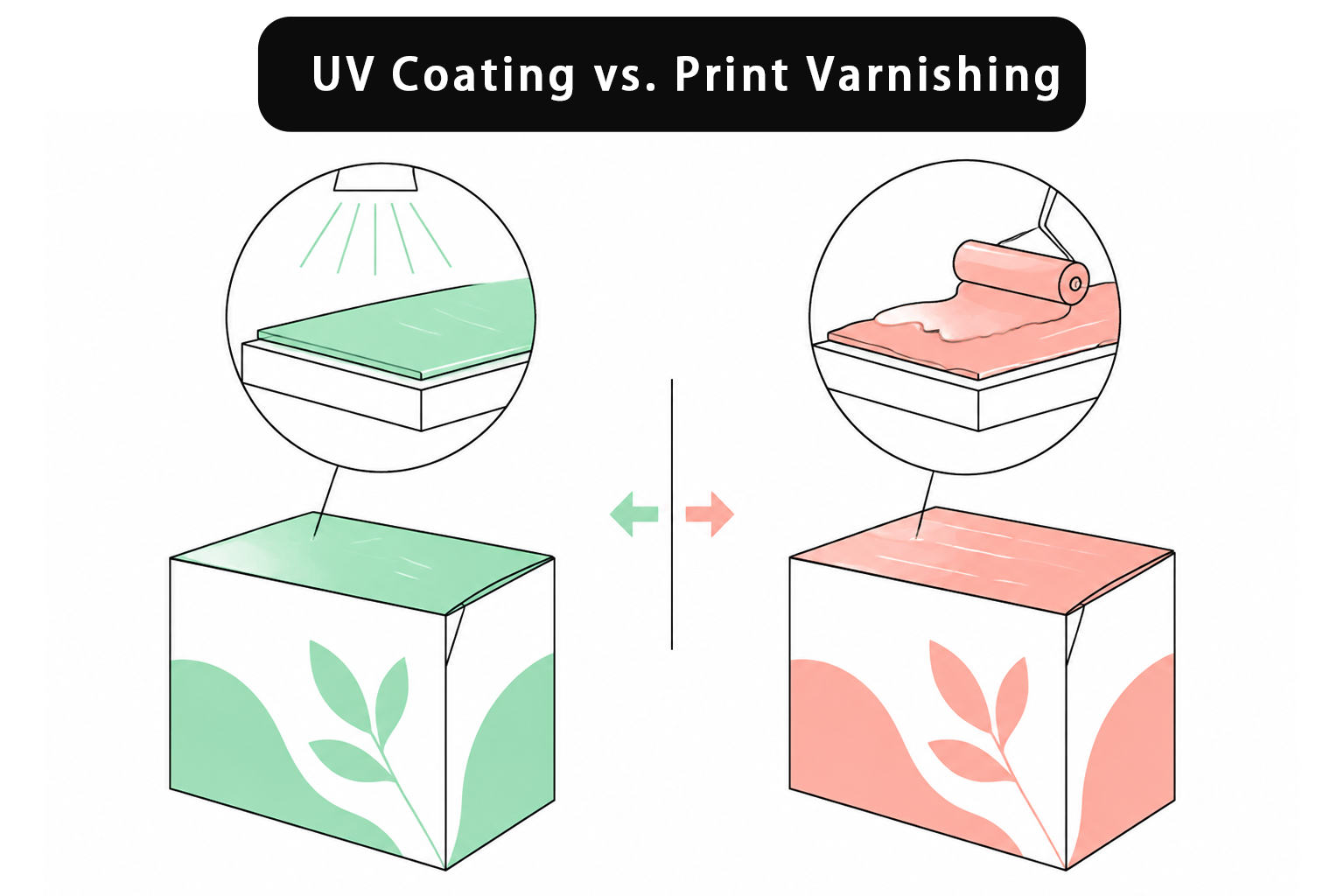 Curing speed, fold flexibility and VOC load decide whether a job wants a UV coater or a conventional varnish unit – and the wrong call surfaces at the die-cutter rather than on the press.PPRINTING KNOW-HOW