A:
t stops the run from fouling: it reduces picking, filling-in and skinning, protects the plate and helps the dot hold its shape. It is added to the ink, not used on its own.

Additives that hold the run steady: less picking, less filling-in, less skinning, less sheet blocking, so the job keeps moving and the plate lasts.
Additions that adjust colour depth, gloss and tack without disturbing the ink's rheology. The dot stays sharp, the surface stays clean.
An additive is added in small percentage, so it is one of the cheapest levers a printer has. A few percent in the fountain can save a re-run, a re-make, a wasted sheet, an hour of make-ready.


It is the additive that stops the run from fouling the plate.
It goes into the ink at the fountain and works on the four classic faults, picking, filling-in, skinning, while protecting the plate and keeping the press clean.
The printed dot holds its shape, the gloss comes up, and marginally less ink gets used to reach the job.
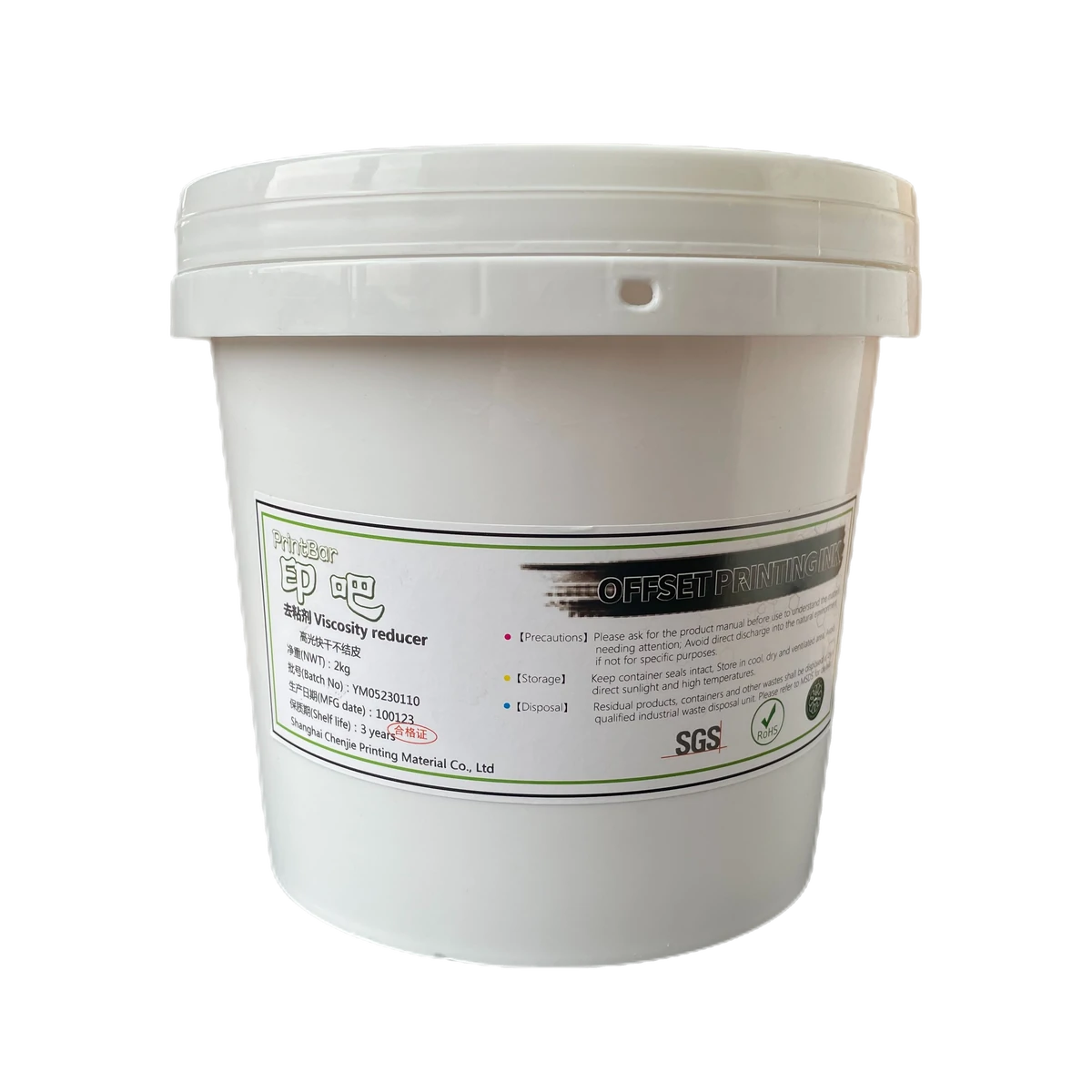
It is a wax-paste mixture that takes the tack out of a sticky ink.
Add it to a high-viscosity ink and it lowers the tack, which stops the sheet fuzzing and the surface powdering when the paper is not strong.
It also evens the ink out on the roller. Reach for it when the paper is weaker than the ink is heavy.
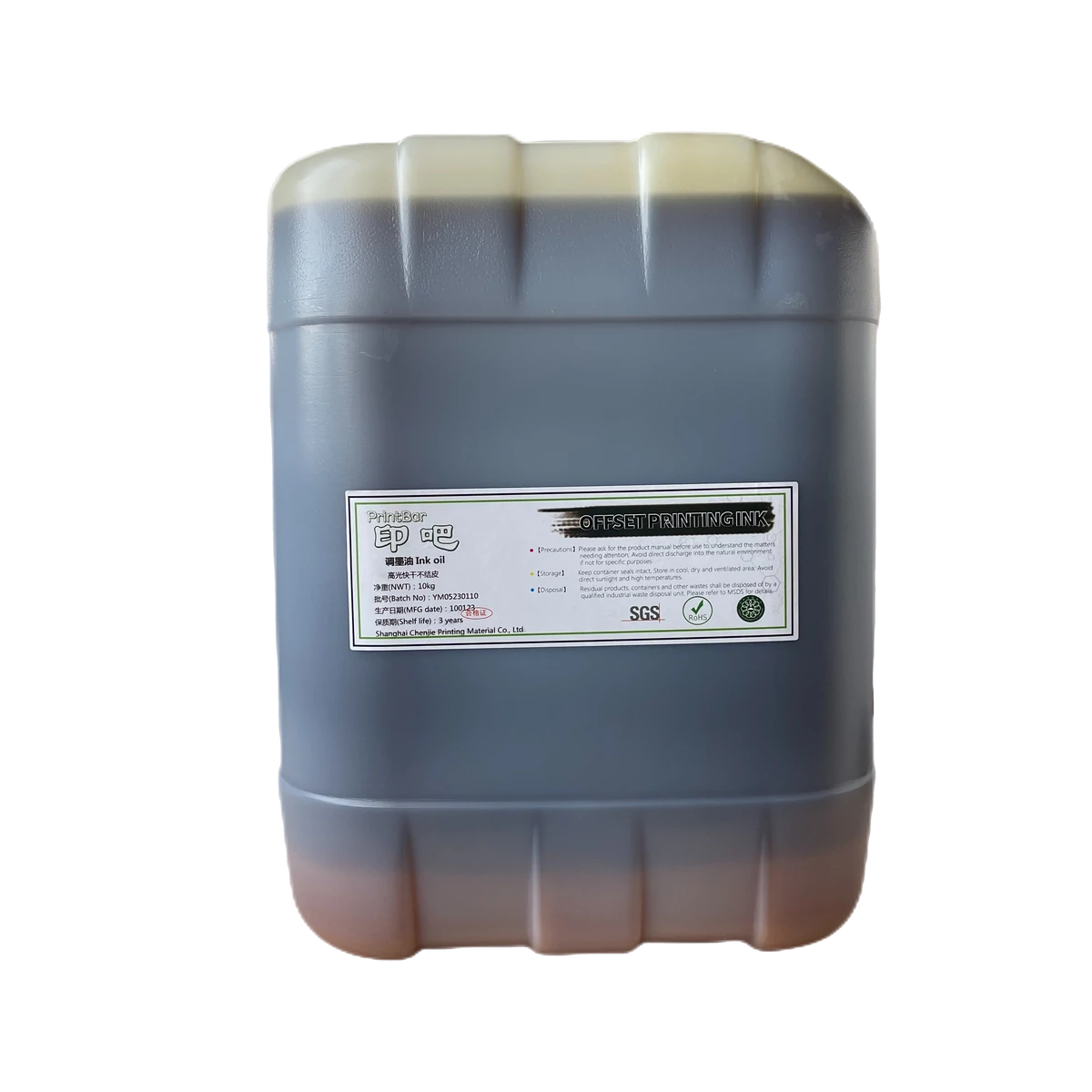
It is the oil that softens a colour and keeps the ink moving on the press.
It shifts the hue, blurs a hard edge and softens a colour that reads sharp, while it lowers the viscosity and consistency of the ink so it transfers and flows better.
It also lifts gloss and speeds drying.
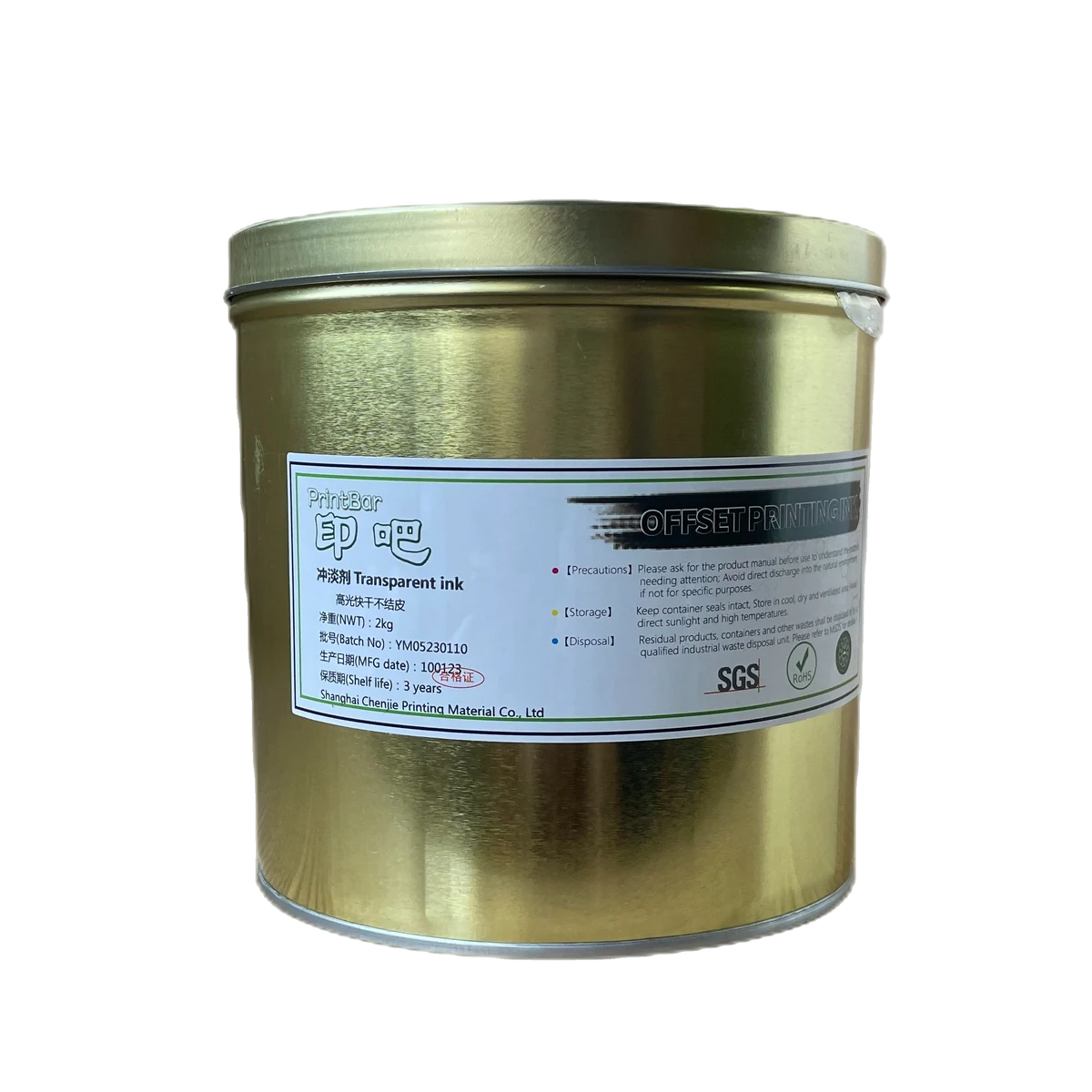
It is a pigment-free ink that makes a strong colour lighter without thinning it.
Made of resin and solvent, it carries no pigment, so it lightens the colour without diluting its body. It does not change the ink's adhesion, printability or rheology. Used sparingly it is a colour enhancer; used more freely it is a reducer; in a stale ink it restores gloss.

For the printed product that must run clean and dry on time, where a picking sheet or a blocking pile costs money in the delivery rather than on the machine.
Where the sheet is coated or heavy and the fault shows in the finished unit, not the proof.

Where the colour balance and a clean dot matter more than speed, and the additive is the difference between a job that passes and one that is picked apart.
t stops the run from fouling: it reduces picking, filling-in and skinning, protects the plate and helps the dot hold its shape. It is added to the ink, not used on its own.
A transparent ink dilutes the colour, because it carries no pigment. A viscosity reducer takes the tack out of the ink so the paper stops fuzzing. One changes depth, the other changes flow.
Used at the recommended level, no. The transparent ink is made not to disturb adhesion or rheology; the viscosity reducer is balanced not to drag gloss or drying unless it is overdosed.
Yes. The offset oil lifts gloss and accelerates drying. For a sticky ink, pair the viscosity reducer with a drying oil so the sheet still dries properly.
Two years from the date of production, provided they are kept sealed and out of extremes of heat and cold.