Views: 46 Author: Site Editor Publish Time: 02-20-2026 Origin: Site


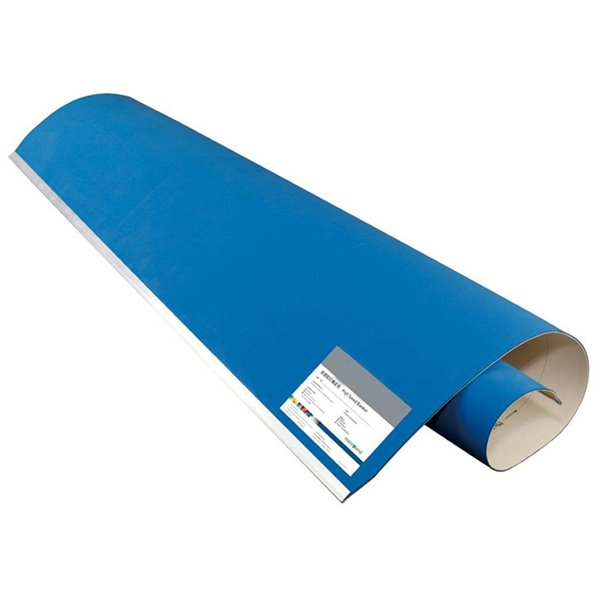
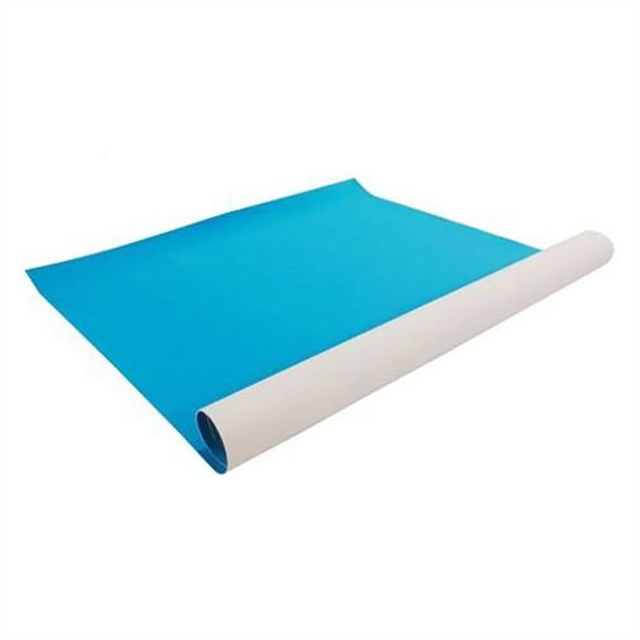
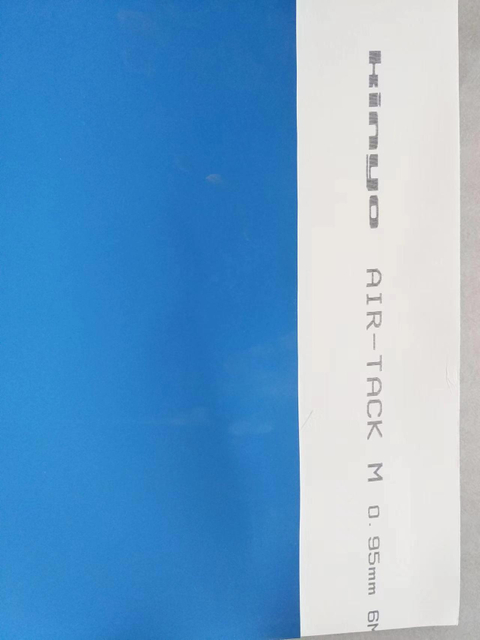
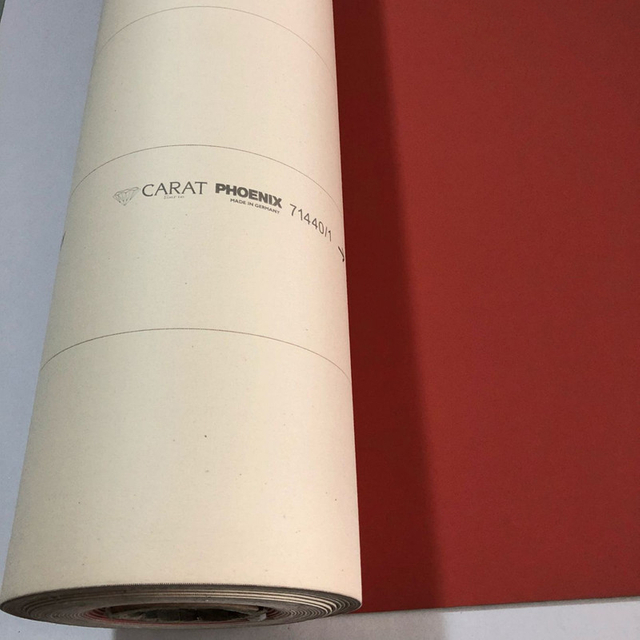
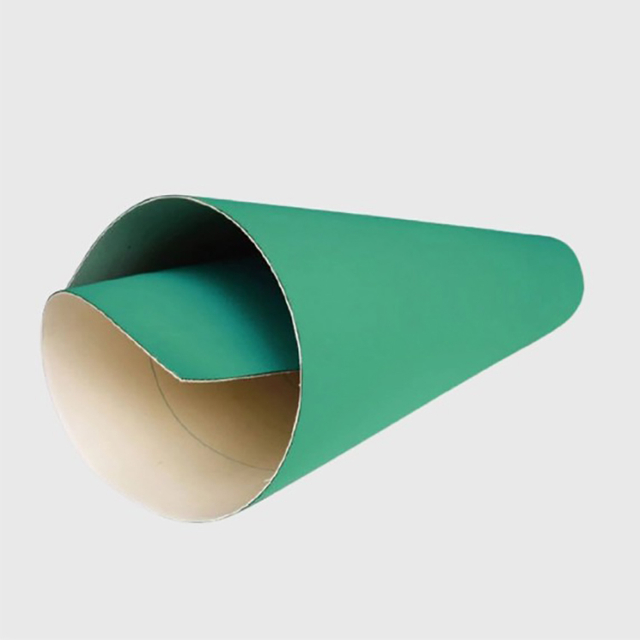
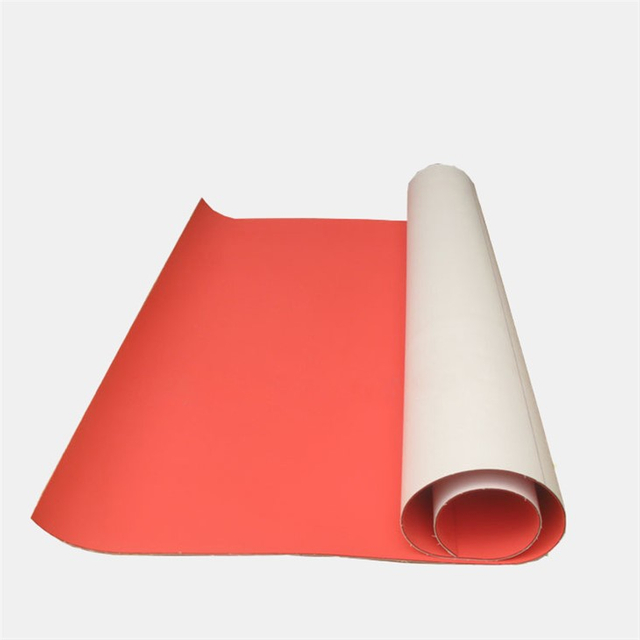
Customers often ask about the lifespan of the rubber blankets I sell, inquiring about "how many impressions" they can yield or how long they can last. Some customers even track the reasons for replacement, such as smash/ding/dent, cut line, embossed issues, or print quality degradation.
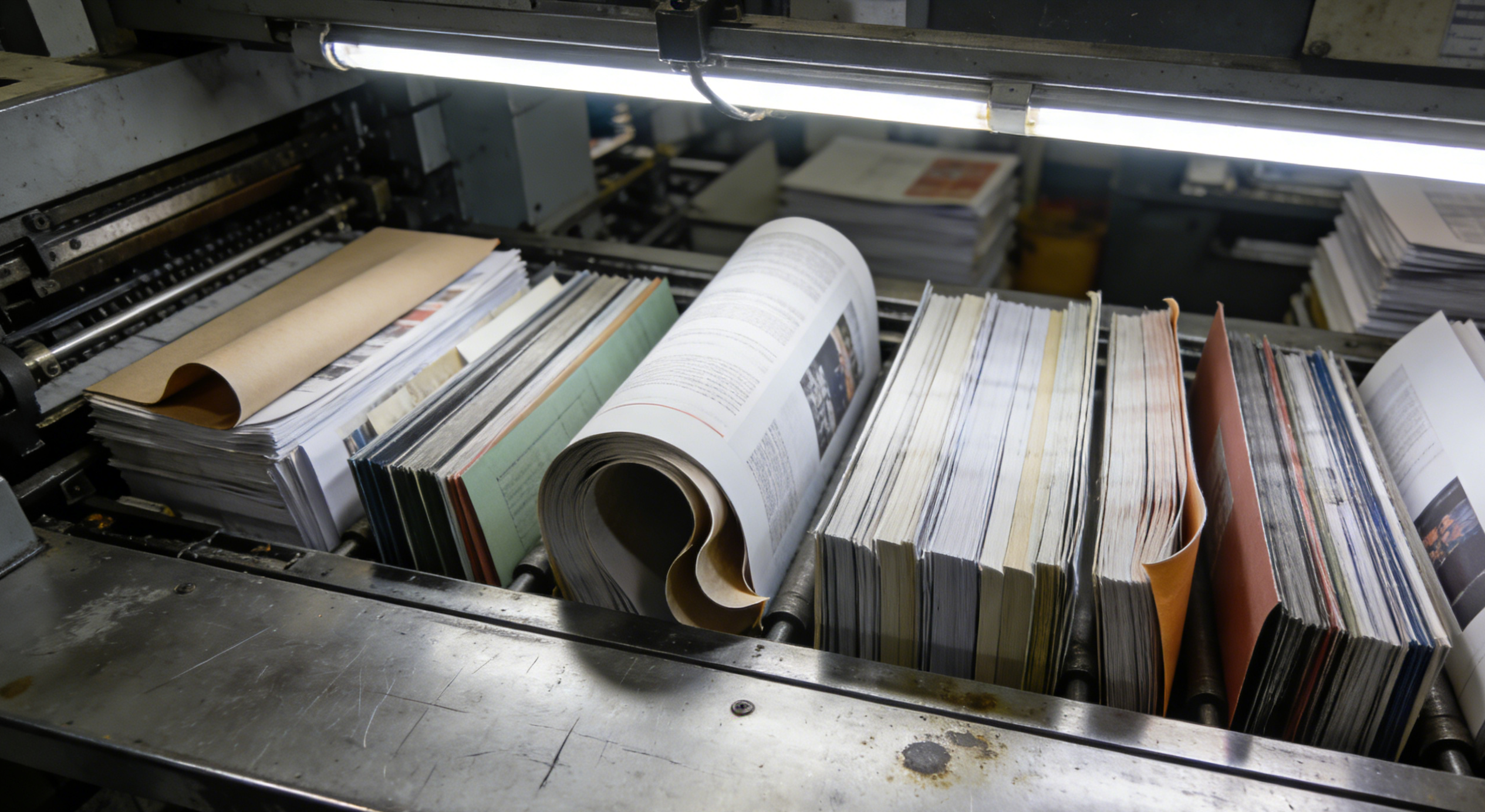
I hope this helps—it's based on what I have experienced in the field. In offset printing, blanket replacement is rarely based on a strict, universal number of impressions (also called mileage). There's no single "magic number" because it varies widely depending on factors like blanket quality, press conditions, maintenance, ink/fountain solution chemistry, substrate type, and how well issues are caught early.
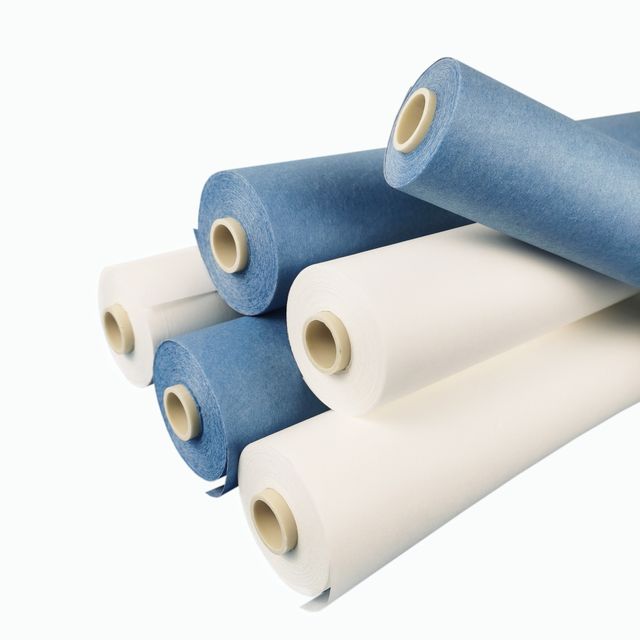
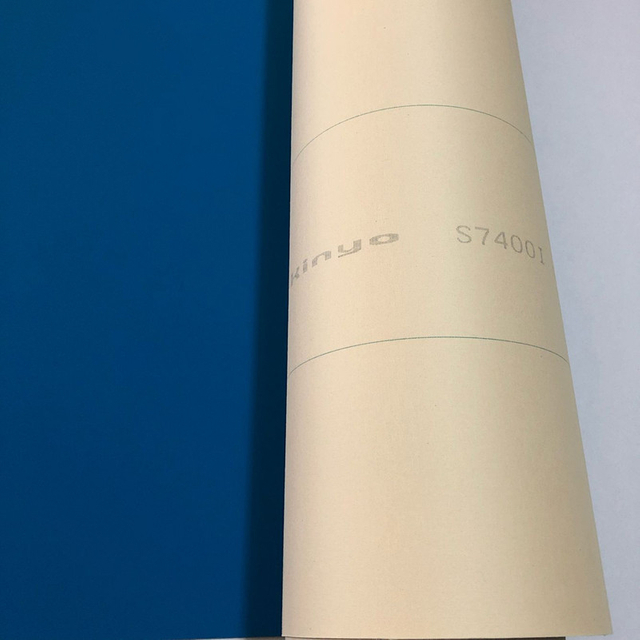
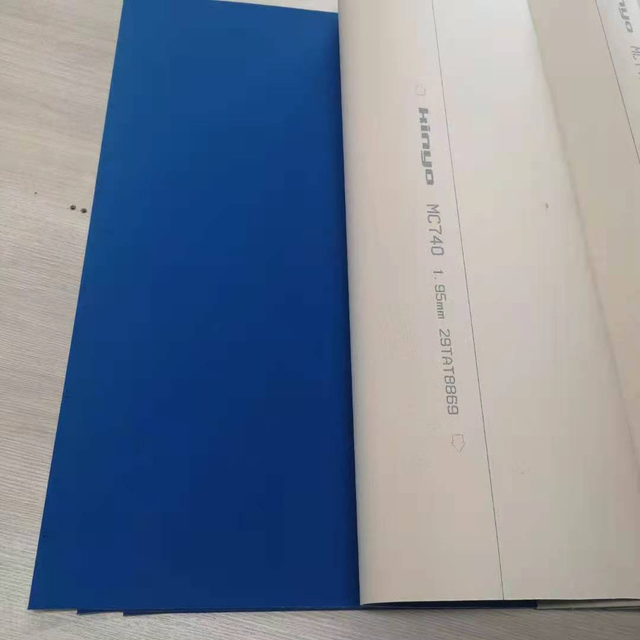
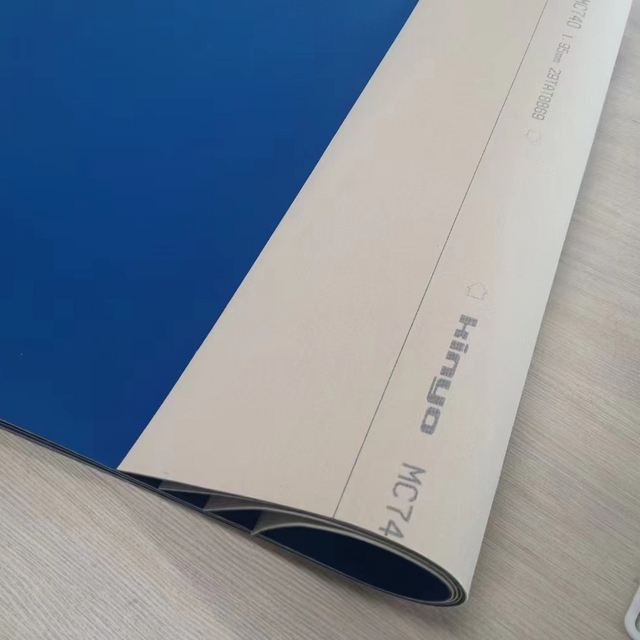
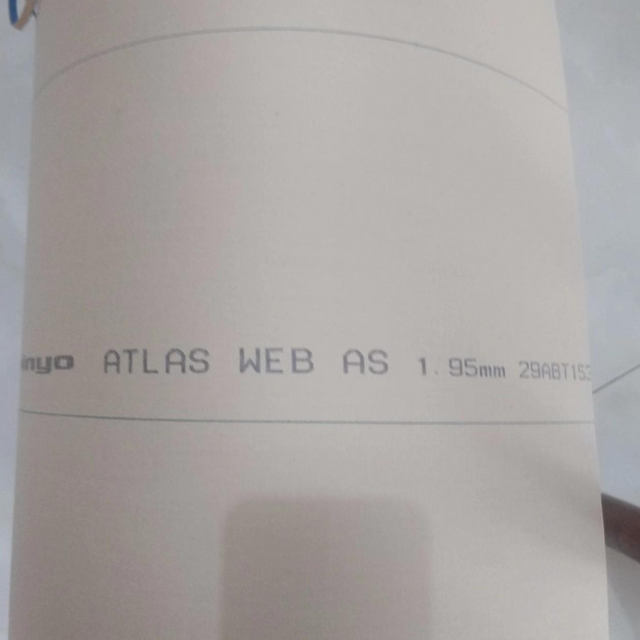
From industry discussions and printer experiences, many modern, well-maintained compressible Rubber Blankets last 1–3 million impressions (some report up to 3 million as a good target if no major issues arise). In high-volume or web offset scenarios, blankets can reach 10–16 million impressions before replacement becomes necessary.
However, blankets are often changed much earlier—frequently under 1 million—due to damage rather than pure age/wear. As many printers emphasize: Don't replace just because it hit X impressions. Change when print quality drops noticeably.
Most shops track primarily by impressions (or "mileage"), as it's the best indicator of mechanical wear from repeated compression, nip pressure, and contact cycles. Time (calendar days/months) is secondary or not tracked as the main metric—it's more relevant for storage/shelf life of new blankets or if the press runs very intermittently. A blanket sitting idle can degrade from solvent exposure or oxidation, but active use (impressions) drives most wear. Many printers monitor packing height/thickness weekly or after set impression thresholds (e.g., 100,000) with a micrometer to catch compression set early.
Yes, tracking the reason is very common and useful for troubleshooting and cost control. Common documented causes include:
Smash/ding/dent/low spots: From paper folds, debris, web breaks, or accidents (most frequent reason for early replacement).
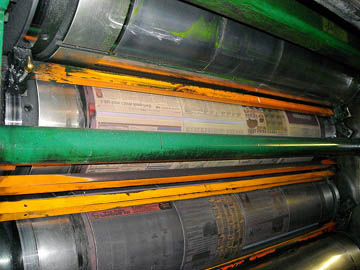
Cut line / slicing / cuts: From sharp edges, poor sheet release, or rim runover on rigid substrates.
Print quality issues: Dot gain increase, poor ink transfer/release, piling/picking/linting, or glazing.

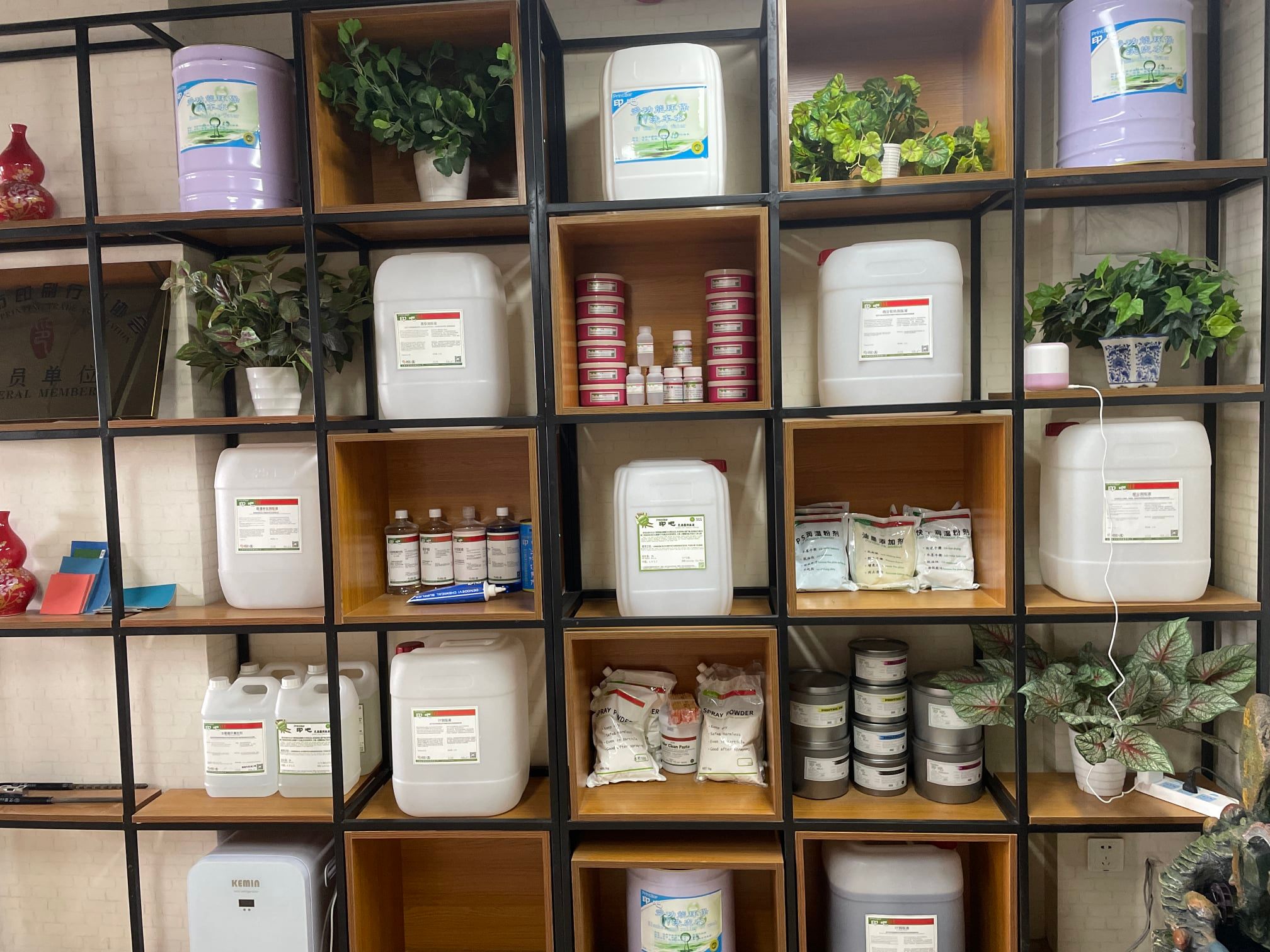
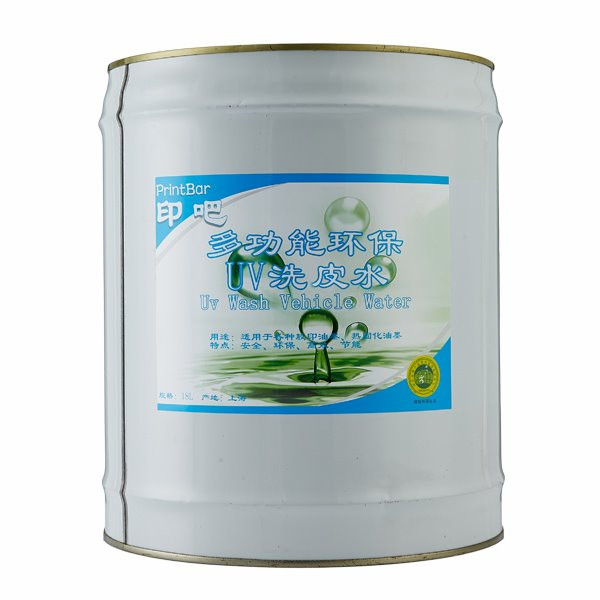
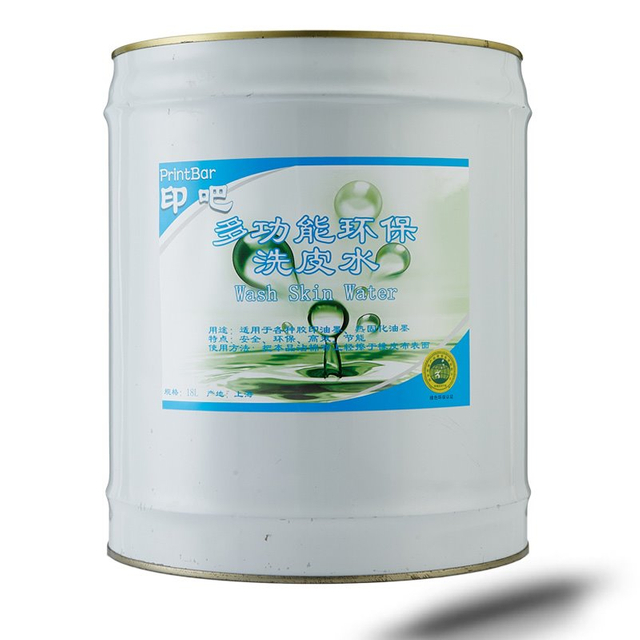
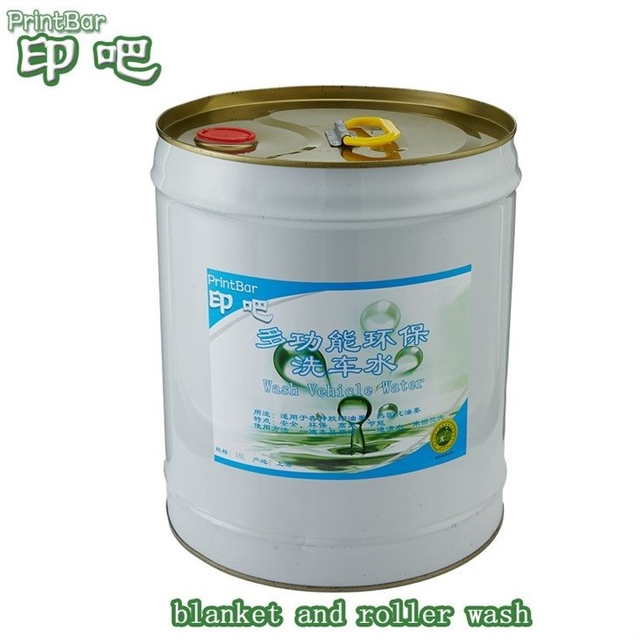
When you encounter a smash or a low spot, don't rush to replace the entire blanket. My customers swear by using a Blanket Rejuvenator & Conditioner (also known as a Reducing Agent).
This specialized chemical allows the pressed concave portions to instantly restore their original elasticity and thickness. It also quickly eliminates the "glass hardened" surface and ink dirt. By using this, you can effectively extend the life of your Rubber Blanket and avoid unnecessary downtime.
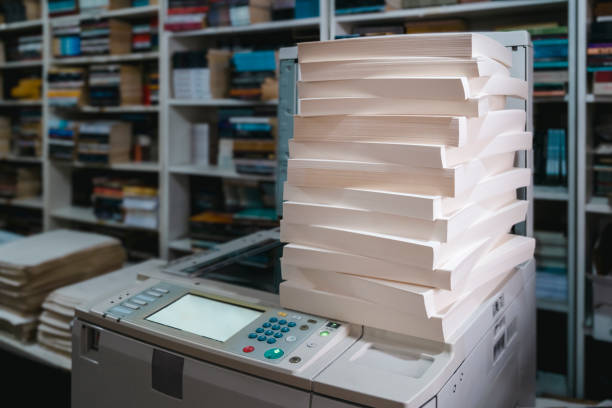
Substrate type matters significantly. Thinner stocks (<10pt paper) are generally easier on blankets; they involve less aggressive contact and fewer smashes from folds. However, thicker/heavier stocks (>10pt paperboard, folding cartons, etc.) are much more abusive. There is a higher risk of smashes from board edges, caliper variations, or sticking sheets.
As one of my clients who runs heavy packaging lines put it bluntly: "Running heavy stock, our blankets never died of old age..." Blankets on these presses wear and compress faster, show low spots sooner, and may need more frequent replacement or specialized "board" blankets with better smash resistance/recovery. If you are running high-density jobs, pairing your blankets with a stable Offset Printing Ink is also key to maintaining image sharpest.
In short, impressions give a rough benchmark, but print quality degradation (especially visible defects) is the real trigger for replacement. Focusing on impressions + reason codes + substrate type will give you the clearest picture of blanket performance in your shop.
For more technical support or to explore our manufacturing facility, feel free to visit our About Us page or take a VR Virtual Tour of our office.