Views: 16 Author: Site Editor Publish Time: 02-14-2026 Origin: Site


It is an "ages old argument" in the industry: when something goes wrong on press, is it a press or a prepress issue? When it comes to plate remakes for things like spots, scratches, or holes in a CTP (Computer-to-Plate) world, it is often difficult to identify the exact origin of the defect.
Last week, I had a casual chat with my client: a plate had to be remade because of "holes" in the image. "When I looked at the press sheet, to me, it looked like chemical spatter ate the emulsion," I told him. My guess is the pressroom’ll just say the plate came out like this—and it’ll be a real hassle figuring out if the fault’s on prepress or their end.
Identifying whether a defect is a "prepress glitch" or "pressroom damage" requires a systematic approach. Often, the pressroom says, "This is how it looked when I got it on press," but some issues don't become visible until the plates are inked up.
One common cause of plate failure is chemical interference. "Usually the biggest culprit is blanket/roller wash and also rubber rejuvinator," one veteran suggested. If these chemicals splash out of blanket gaps during startup, they can eat into the plate emulsion.
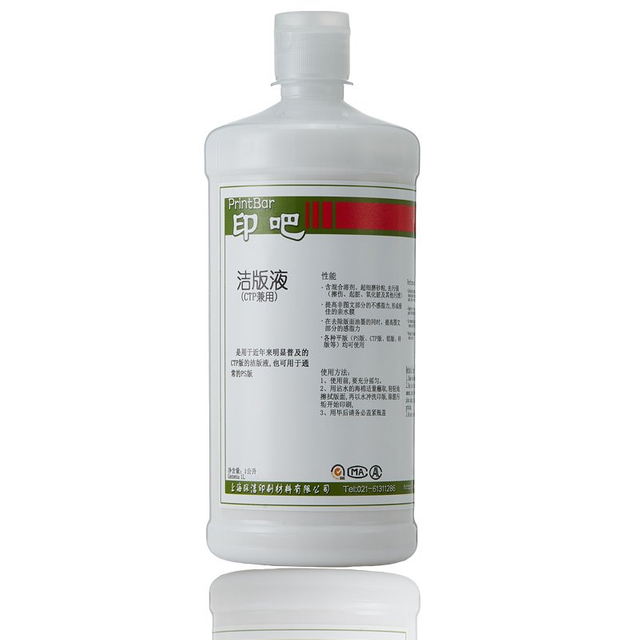
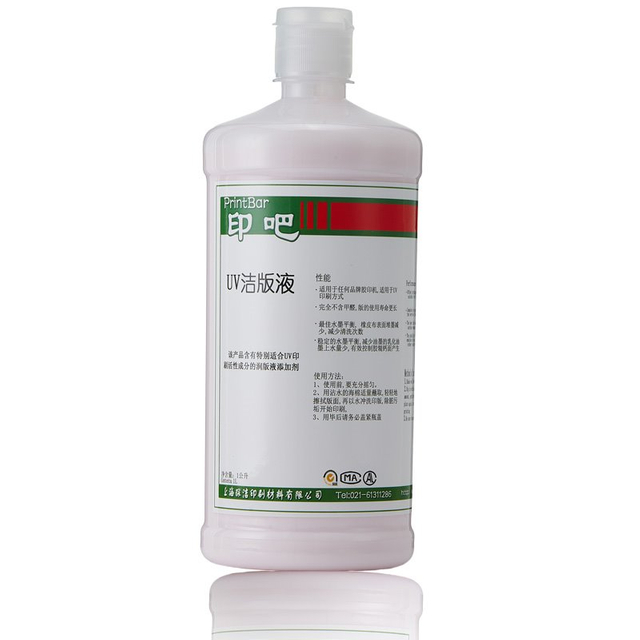
To prevent chemical damage, using a high-quality, balanced UV Plate Cleaner is essential. It ensures the plate is cleaned without compromising the delicate emulsion layer, especially on high-sensitivity CTCP plates.
How do you stop the pressroom from throwing prepress "under the bus" without proof? While photographing every plate is "mass overkill," several practical process controls can be implemented.
Initials and Inspection: Every plate should be checked for defects before being "hucked over the wall" into the pressroom. The person who inspects the plate should initial it.
Recreating the Problem: If you suspect chemical spatter, try to recreate it. "Burn a plate and hit one side with the chemical in prepress and the other side the pressroom chemical." Then compare the results to the original failure.
Documentation: Maintain a log of every chemistry change in the processor. At our PrintBar technical center, we emphasize that "mistakes happen, but they should only be new ones."
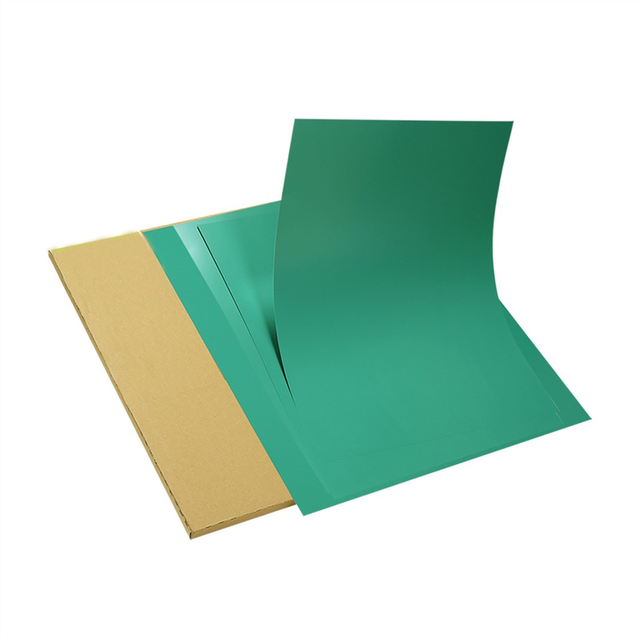
"Diagonal scratches" are another point of contention. One shop found that press operators wanted plates supplied without interleaves to save time. When the interleaves were removed, scratches appeared; when they were brought back, the "scratches miraculously disappeared." This proves that many "defects" are simply handling marks from when plates are picked up to be put in the bender.
Sometimes, the fault lies with neither department. "We've had batches of plates that had intermittent emulsion defects from the factory," one user shared. These "holes" couldn't be seen on an unexposed plate but appeared once imaged.
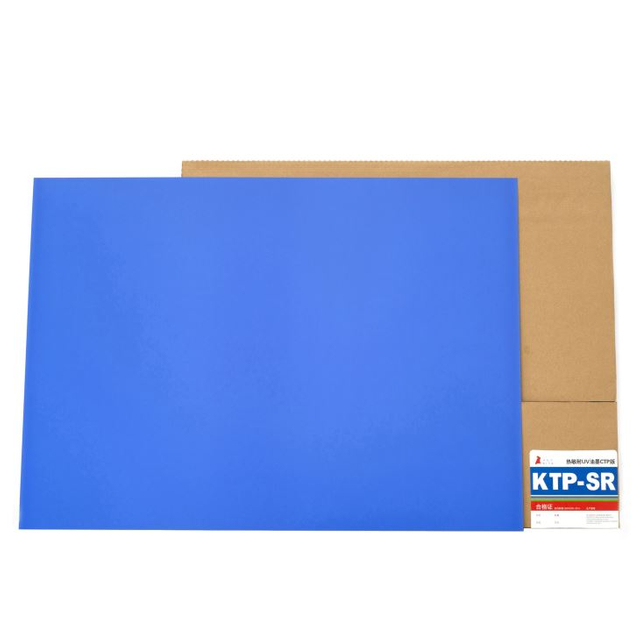
If you find that your remake rate is low (e.g., 71 remakes out of 20,000 plates, or a $0.3\%$ spoilage rate), it might not be a chronic internal problem but a rare material flaw. At PrintBar, we ensure our Offset Plates undergo rigorous quality inspection to minimize these "ghost defects" before they ever reach your CTP unit.
At the end of the day, press and prepress issues should be discussed in a "roundtable at daily or monthly meetings." Whether you are using Offset Printing Ink or high-end thermal plates, the goal is a successful run.
By improving documentation and establishing clear "hand-off" procedures, shops can stop the finger-pointing and focus on what matters: high-quality print. For more information on our robust plate solutions and technical support, feel free to visit our About Us page.