POPULAR POSTS
-
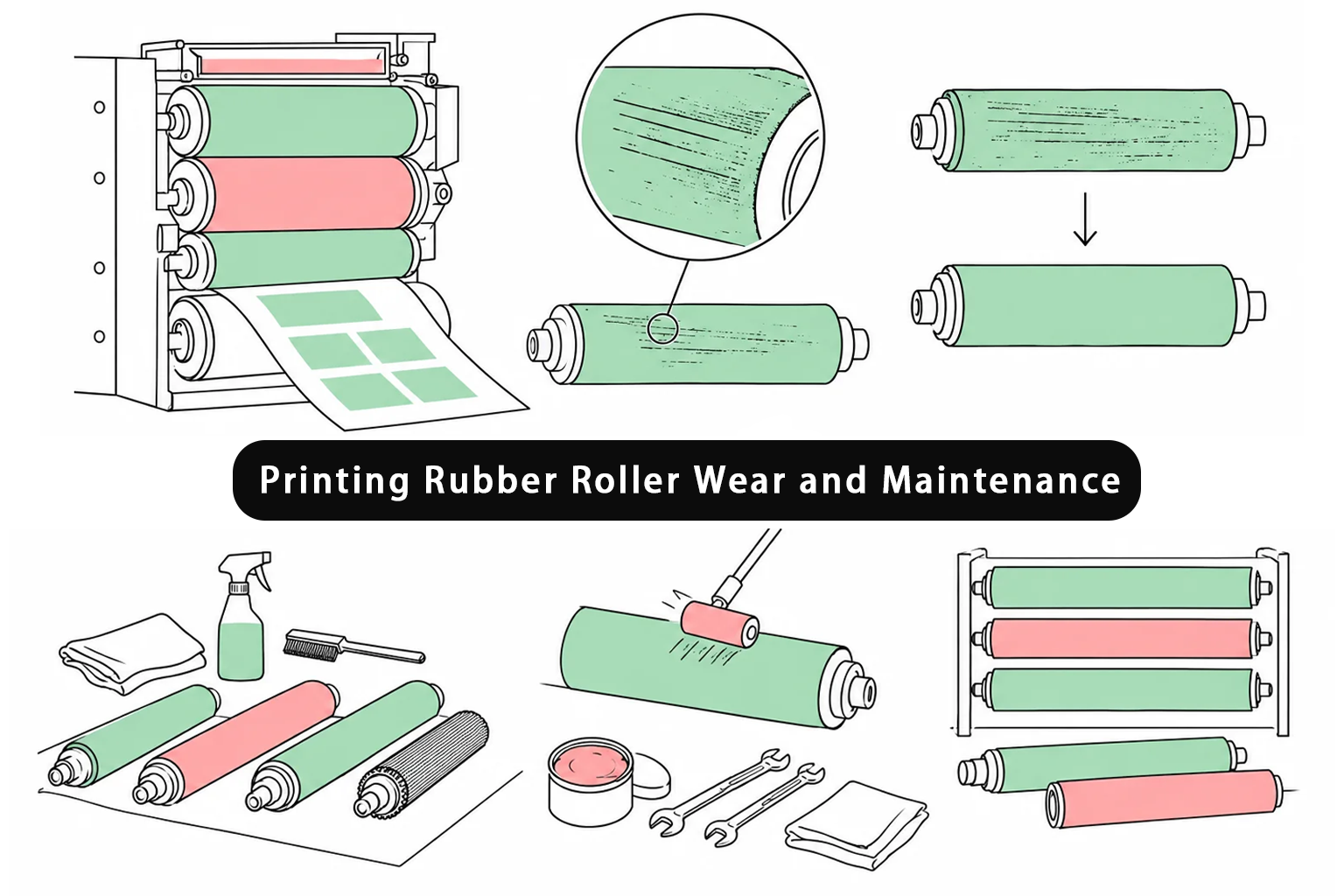
Fifteen everyday causes and ten habits decide how long a set of offset press rollers lasts, and most of them are cheaper to fix than to ignore.




-
uv
-
printbar

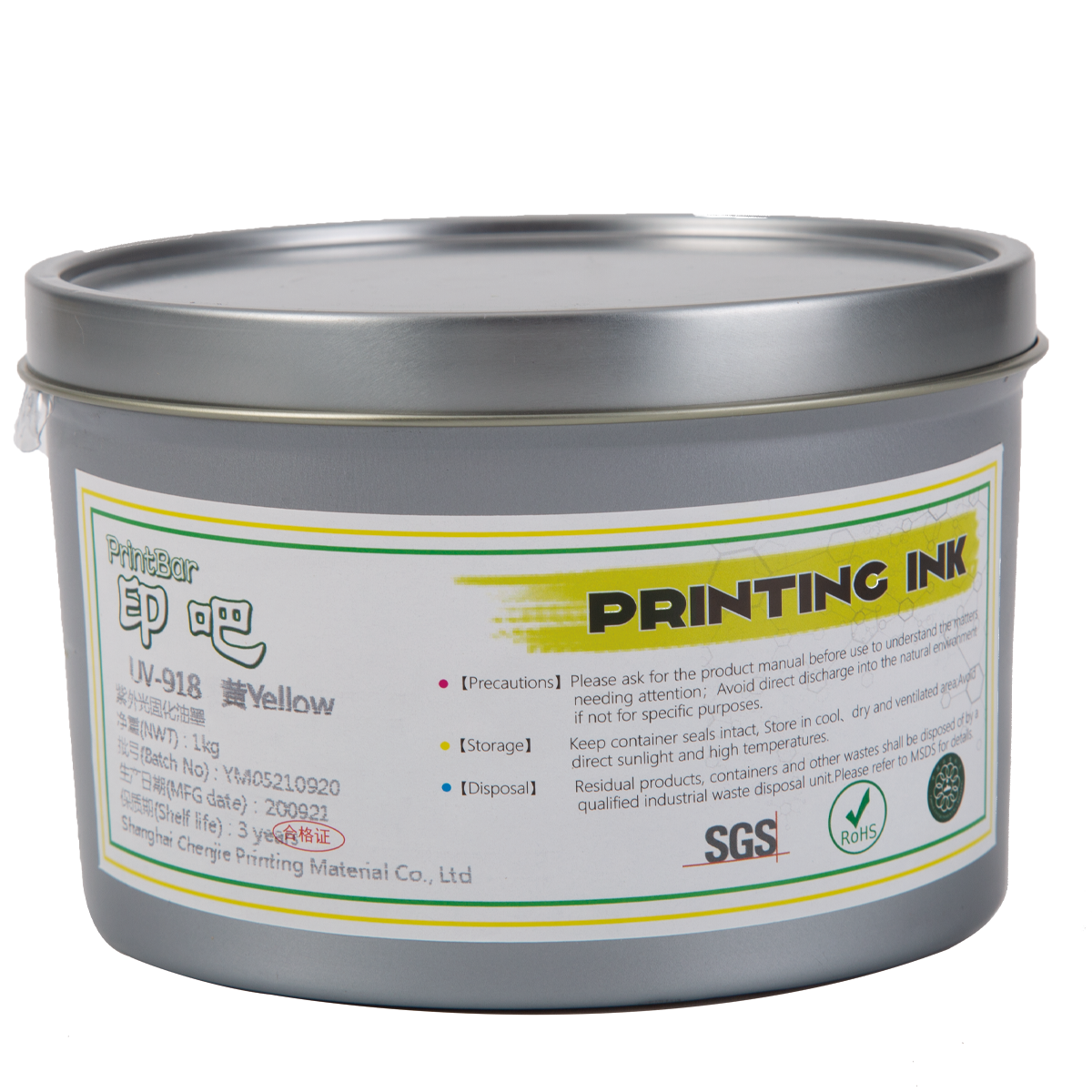
UV Offset Ink
A UV ink for the runs where the paper stops absorbing and starts fighting back.
When a UV job goes wrong, nobody blames the color. The lamp, the line speed and the hands loading the tin take the hit. This ink is built around all three.
What it prints on
Synthetic paper, self-adhesive labels, PVC, PC, PE, PP, PET. All non-absorbent, most of them processed. Film plastic box printing is where it earns its keep, and it runs on sheet-fed and web presses.
The numbers
Color data
Color | Viscosity | Tinting strength | Light fastness | Gloss | Drying speed |
|---|---|---|---|---|---|
Yellow | 9-13 | 100%±5% | 5 | 70-75 | over 50 m/min (2000 W) |
Magenta | 10-14 | 100%±5% | 5 | 70-75 | over 50 m/min (2000 W) |
Cyan | 10-14 | 100%±5% | 7 | 70-75 | over 50 m/min (2000 W) |
Black | 9-13 | 100%±5% | 7 | 70-75 | over 50 m/min (2000 W) |
Magenta and yellow hold light fastness 5. If the sheet is going to sit in a window for years, that 5 decides how the job looks in year three.
Where it gets noticed
UV monomers are the part of UV ink that turns on skin. This one is built on imported monomer raw material, which pulls the irritation down. Gloves still go on.
Where it is fussy
Lamp 80 W/cm or better. Under that, the sheet leaves the delivery tacky.
Shop at 25°C. Climate moves this ink's body more than it should, so the fix is controlling the room.
Viscosity creeping up with the weather: cut it with UV varnish additive and stay under 5%.
Do not mix with other ink types. Colors within this range blend fine.
Run an adhesion test on your own stock before the full run. It varies by substrate.
When to buy a different ink
On ordinary coated paper, standard offset ink does the job for less money and needs no lamp. This one is for the sheets that absorb nothing.
Packing
1 kg tin, 12 tins per carton. One year from the production date. Keep out of sunlight, store cool and dark.