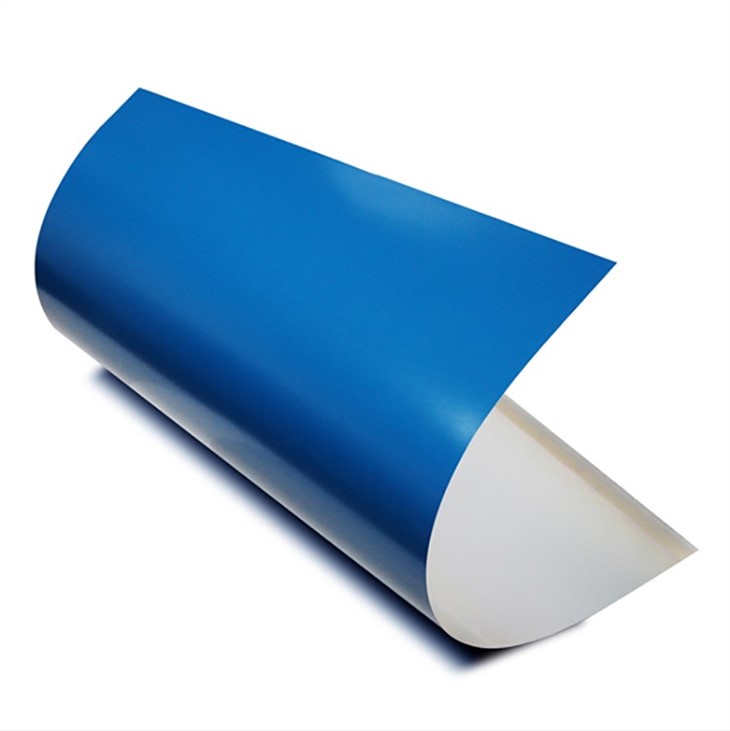
Processless Thermal CTP Plate
No developer, no replenisher, no processor to service. Image, gum, print.
A conventional thermal plate brings a developer bath, a replenisher line, wash water, a processor someone has to clean, and a drum of spent chemistry that has to leave the building under waste rules. This plate brings a gum pass. It images at 830 nm on the platesetter you already run, is wiped over with processless gum, and goes on press — the whole development stage is gone, and with it about 35% of what the plant spends making a plate.
Where the 35% comes from
Per square metre the plate itself costs more than a conventional thermal plate. That part is real and no one should pretend otherwise. The saving sits downstream: no developer concentrate, no replenisher, no wash water, no processor to power and maintain, no spent developer to dispose of, and no plates written off because a bath drifted out of spec. On a normal month of plate volume those line items add up to roughly 35% of the total plate-making cost. The plate price goes up; the plate-making cost goes down.
The removal step is physical
On a conventional CTP line the unexposed coating is dissolved by an alkaline developer, and the result depends on developer temperature, dwell time and replenishment rate. Here the unexposed coating is softened by the gum and brushed away at a set pressure: a mechanical operation, not a chemical one. Developer temperature no longer moves the dot, an exhausted bath is not a variable, and a Friday plate prints the same as a Monday plate. That repeatability is the part a conventional line cannot promise.
Seven days of latent image
Image a plate today and print it next week. The latent image holds for seven days under normal handling, so plates can be imaged ahead of a rush job, or imaged at night and printed in the morning, without the image walking. Past seven days, re-image the plate rather than gamble on it.
830 nm, on the machine you already own
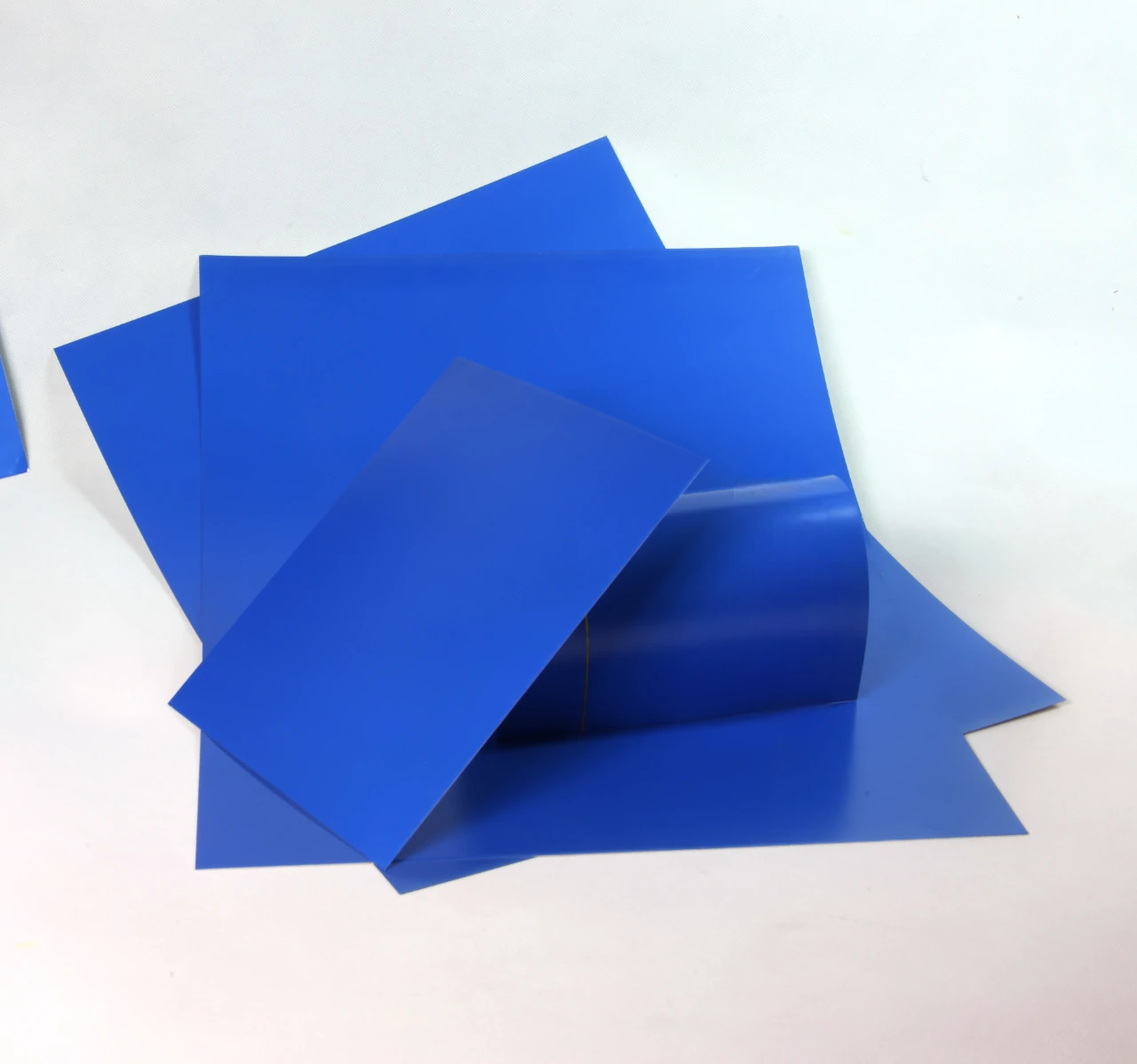
Thermal platesetters in the field run 830 nm diodes, and this plate exposes at 830 nm. No new imaging head, no UV-CTP conversion, no second platesetter. Plate width runs up to 830 mm and length to 1,100 mm, at 0.15 to 0.30 mm thick, so sheetfed and web work both fit. The plates are light-sensitive: keep them boxed, open the box under yellow safelight, and they behave like any other negative-working thermal plate at the platesetter.
100,000 impressions, and no baking
100,000 impressions is the rated figure, and it moves with ink, stock, fountain solution and press setting. Baking is not recommended: there is nothing to bake for, and a baked processless plate does not buy a longer run. That is the honest trade. A conventional thermal plate can be pushed past 100,000 by baking it; this one cannot. Below 100,000 impressions, this plate gets there without a developer, a processor or a drum of waste chemistry. Above it, bake a conventional plate.
2 to 98% at 200 lpi
Halftone runs 2% to 98% at 200 lpi, with enough imaging contrast to read on a densitometer or a dot meter. Fine enough for commercial colour, packaging and label work. A good double-coating thermal plate still resolves further at the top end, so a 300 lpi art book on premium stock is not the job to move onto this plate.
Specifications
Plate data
Parameter | Value |
|---|
Type | Negative-working processless thermal CTP plate |
Spectral sensitivity | 830 nm |
Exposure energy | 110–130 mJ/cm² |
Resolution | 2–98% @ 200 lpi |
Development | None. Gum and brush only. |
Plate thickness | 0.15 / 0.20 / 0.25 / 0.30 mm |
Plate size | Width up to 830 mm, length up to 1,100 mm; other sizes to order |
Substrate | Aluminium, electrolytically grained, anodised and sealed |
Latent image stability | 7 days |
Run length | Up to 100,000 impressions |
Baking | Not recommended |
Shelf life | 12 months from production date |
Storage | Below 25°C, below 60% RH, dry and light-tight |
Exposure energy and resolution are manufacturer figures at rated conditions. Run length is quoted for the plate as supplied, unbaked, and it follows ink type, coverage, stock and press setting: a shop running heavy solids will land short of 100,000, a text job will run past it.
What has to sit beside it
Item | Requirement |
|---|
Platesetter | Any 830 nm thermal CTP platesetter |
Developer | None |
Gum | Processless plate gum, matched to the plate |
Plate cleaner | Processless plate cleaner |
Baking gum | Not required |
Retouching | Standard CTP retouch paste |
Fountain solution | Compatible with most fountain solutions, alcohol and alcohol-free |
Gumming unit | Processless brushing unit, running at 0.6 m/min |
Storage and handling
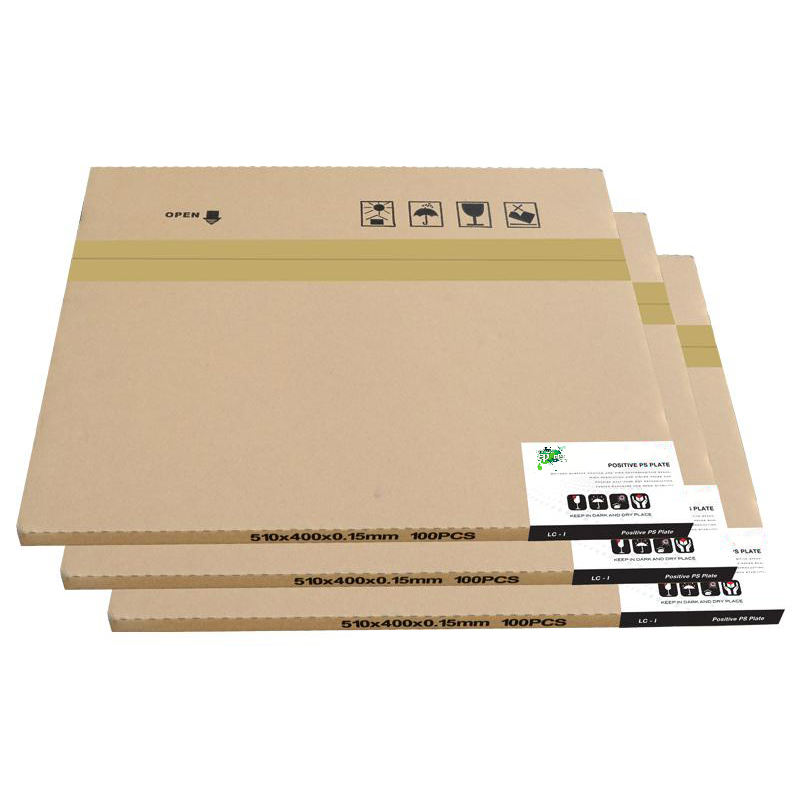
Boxed, dry and light-tight, below 25°C and below 60% RH, 12 months from the production date. The plate is light-sensitive: open the carton under yellow safelight and keep it shut between jobs. A carton left open on a press-room shelf through a hot summer will not deliver the seven-day latent image it was sold with.
When to pick a different plate
This plate wins on jobs sized to its run length. Past that, the usual three plates beat it, and the table says which is which.
Plate | Exposure | Development | Run length | Pick it when |
|---|
PS plate | 320–450 nm | 20–40 s | not quoted | the shop still images from film |
CTCP / UV-CTP | 410 nm | 20–30 s | 50,000–100,000 | the platesetter runs UV diodes |
Conventional thermal CTP | 830 nm | 20–30 s | 50,000–100,000 unbaked; 100,000–200,000 baked | the job runs long, or runs UV ink |
Processless thermal CTP | 830 nm | none | up to 100,000 | the platesetter is 830 nm and the run sits under 100,000 |
Two things send a job off this plate and onto a conventional thermal one: a run that needs baking to get past 100,000, and UV ink. Everything that stays inside 830 nm, 200 lpi and 100,000 impressions is a job this plate makes cheaper, with less chemistry in the building.